





 Time:2026-04-23
 Source:
01 The Overlooked "Urban Mine"
Every morning, sanitation trucks collect waste from residential communities, supermarkets, and wet markets. This waste stream contains a large amount of recyclable materials-plastic bags, Tetra Pak cartons, old textiles, broken glass, foam plastics, and more. Because these materials have different recovery values and high sorting costs, they have long been disposed of by direct incineration or landfilling, becoming the "toughest bone to crack" in urban solid waste management.
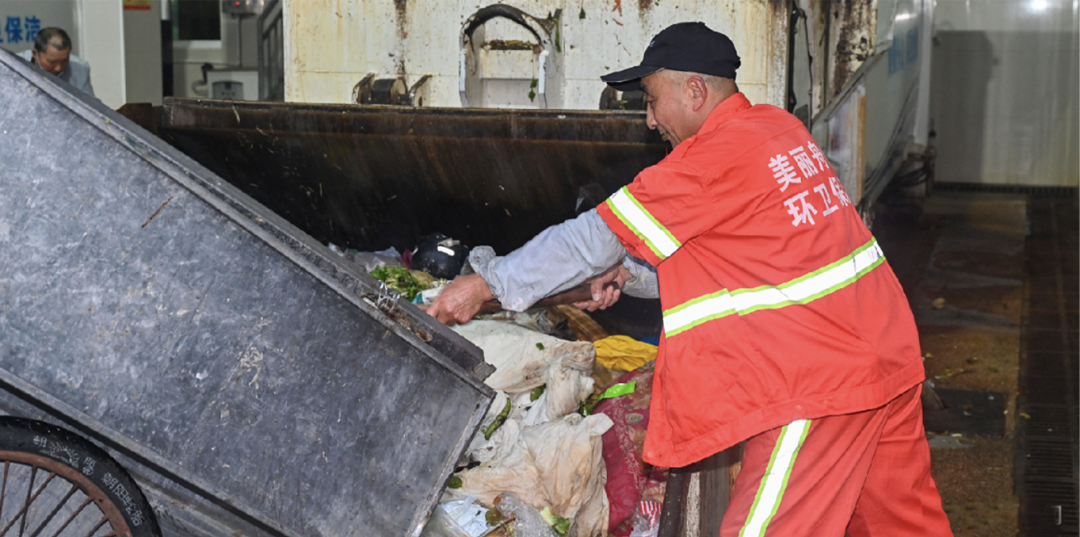
The difficulty in sorting mixed municipal solid waste (MSW) lies primarily in its extreme compositional complexity and high variability. Incoming materials differ significantly by region and time of day, with dry and wet waste mixed together and various materials intertwined. Traditional manual sorting is not only inefficient but also struggles to achieve acceptable purity levels.
A large proportion of valuable recyclables fail to be effectively separated, resulting in fewer resource-based products, lower value, and very limited end-of-pipe volume reduction. Industry observations suggest that without effective sorting, more than 60% of mixed waste goes directly to incineration or landfill-a trend that runs counter to the goals of "Zero‑Waste City" construction.
02 Policy Tailwinds Create a Growing Need for Sorting
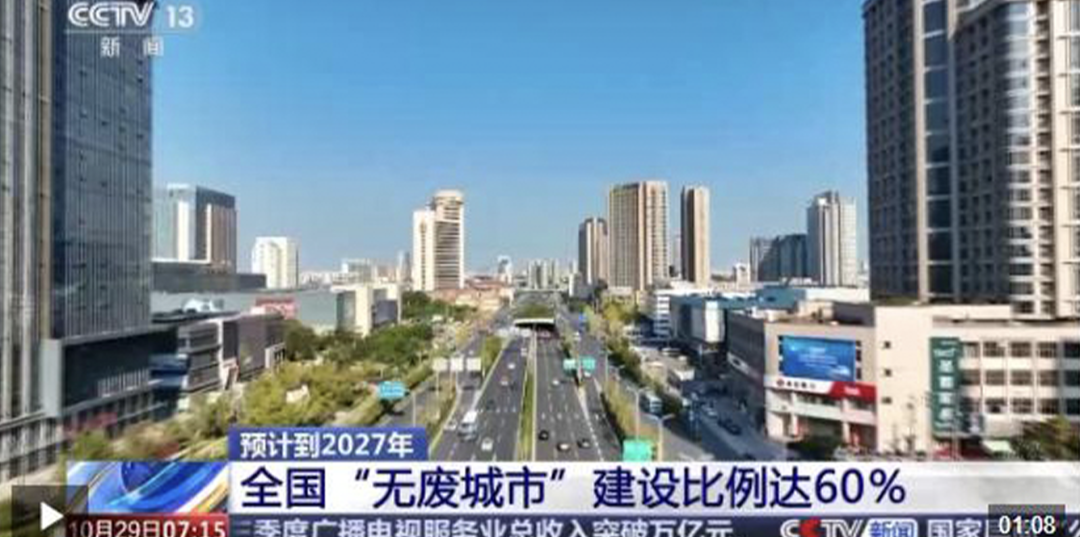
In early 2026, the Ministry of Ecology and Environment explicitly announced that it would promote the construction of "Zero-Waste Cities" in about 200 cities, with the aim of transforming waste materials from a "social burden" into an "urban mine." Behind this top-level design lies a systematic recognition of the value of resource recovery from mixed MSW.
In recent years, breakthroughs in artificial intelligence, machine vision, and robotics have brought a revolutionary change to mixed MSW sorting. Paper, plastics, and metals can be directly recovered and remanufactured. Other low-value sorted fractions can be turned into solid recovered fuel (SRF) for cement kilns or industrial boilers, enabling energy recovery. The remaining composite materials can be further processed through pyrolysis or gasification to produce fuel oil, combustible gas, or carbon black-currently one of the hottest directions in the field.
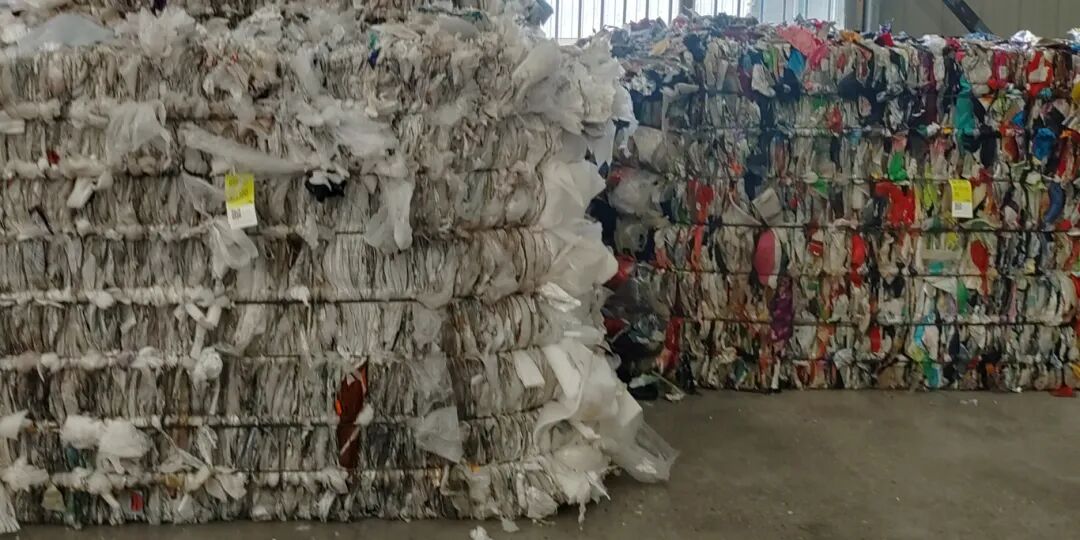
It is estimated that recycling one ton of mixed plastics reduces CO₂ emissions by about 1.5 tons, and recycling one ton of waste paper saves 3 cubic meters of wood, 100 tons of water, and 600 kWh of electricity. Against the backdrop of the “dual carbon” goals, waste sorting has evolved from a purely environmental action into an important pathway for carbon reduction.
03 From "Financial Burden" to "Resource Gateway"
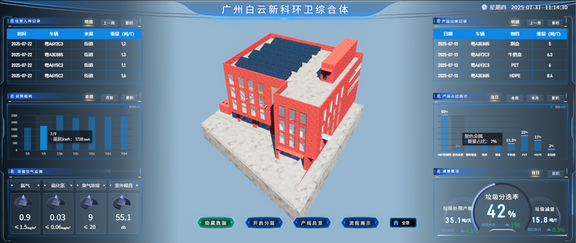
For a long time, treating municipal solid waste has been a pure municipal expenditure, relying on government subsidies to stay operational. However, the practice of Qinglv Environment’s Guangzhou Sanitation Complex project is rewriting this perception.
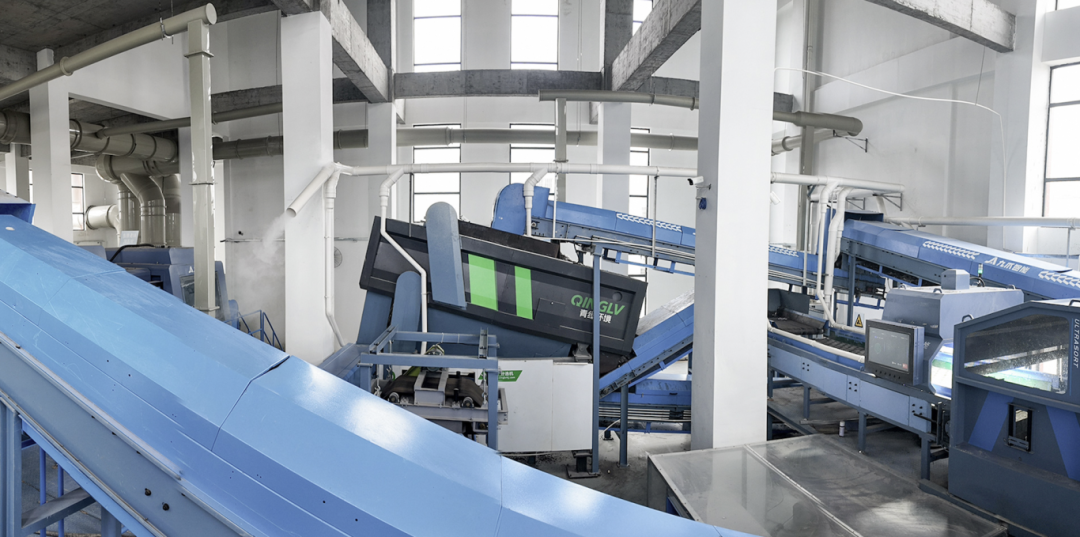
As the country’s first integrated “compression-sorting” municipal waste treatment model, this project achieves volume reduction and fine-grained resource recovery of mixed MSW without changing the existing collection and transportation system or adding extra sorting burden on residents. The key operational data are striking: a 40% waste reduction rate, a 40% resource recovery rate, and annual savings of RMB 1.75 million in waste disposal fees-delivering both environmental and economic benefits.
04 Redefining Urban Resources
Sorting mixed municipal solid waste is, in essence, a revolution in the “redefinition of urban resources.” When those waste items labelled “low-value” or even “worthless” re-enter the production system through intelligent sorting, we witness not only technological progress but also a leap in development philosophy-from linear consumption to circular regeneration, from end-of-pipe treatment to full-process control, and from a cost burden to a resource gateway. This may well be the deepest meaning of a “Zero-Waste City.”
 Prev
Prev