





 Time:2026-11-14
 Source:
In today's rapid urbanization, waste treatment is becoming an increasingly heavy “hidden bill” in urban governance. More than 240 million tons of municipal solid waste are generated each year, which not only continues to increase the operating load on incineration facilities, but also means huge transportation and end-of-pipe disposal costs.
Faced with the dual challenges of continued growth in total waste volume and mounting fiscal pressure, city managers have to consider: can waste be “slimmed down” before it enters incineration plants? Waste sorting is precisely one of the most direct and effective technical pathways for reducing municipal solid waste at the source.
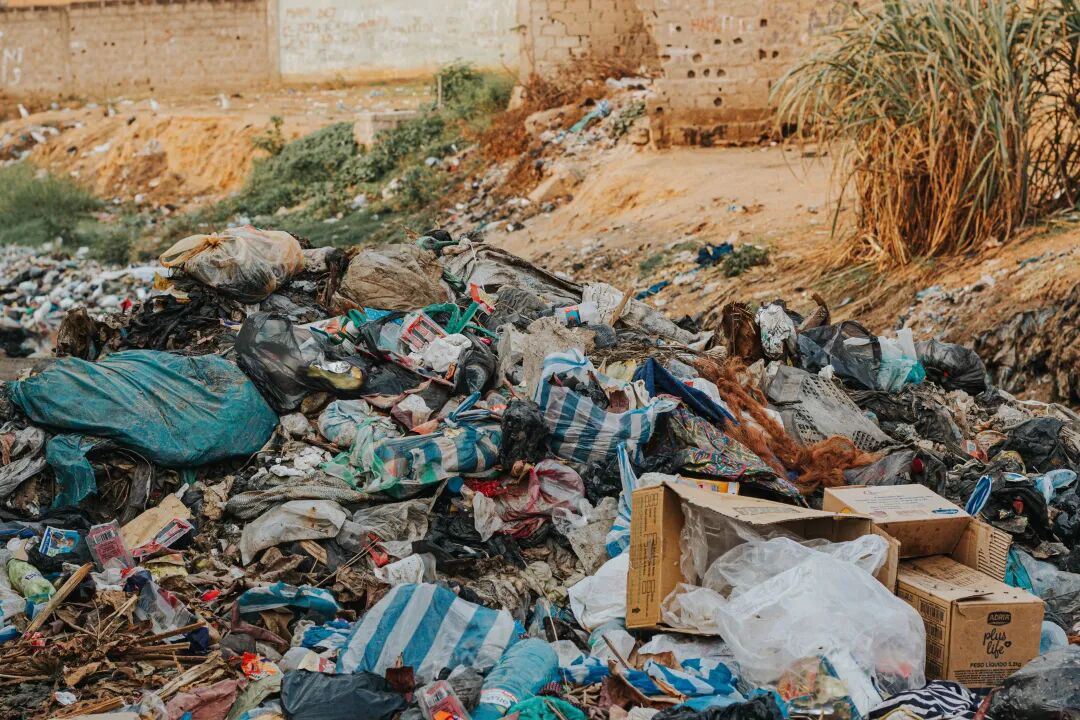
Precision Sorting Achieves municipal solid waste Reduction at the Source
The core logic of waste sorting for reduction lies in using technical means to precisely separate different components of mixed municipal solid waste and move recyclables back into the resource circulation system earlier, thereby significantly reducing the total amount of waste entering incineration.
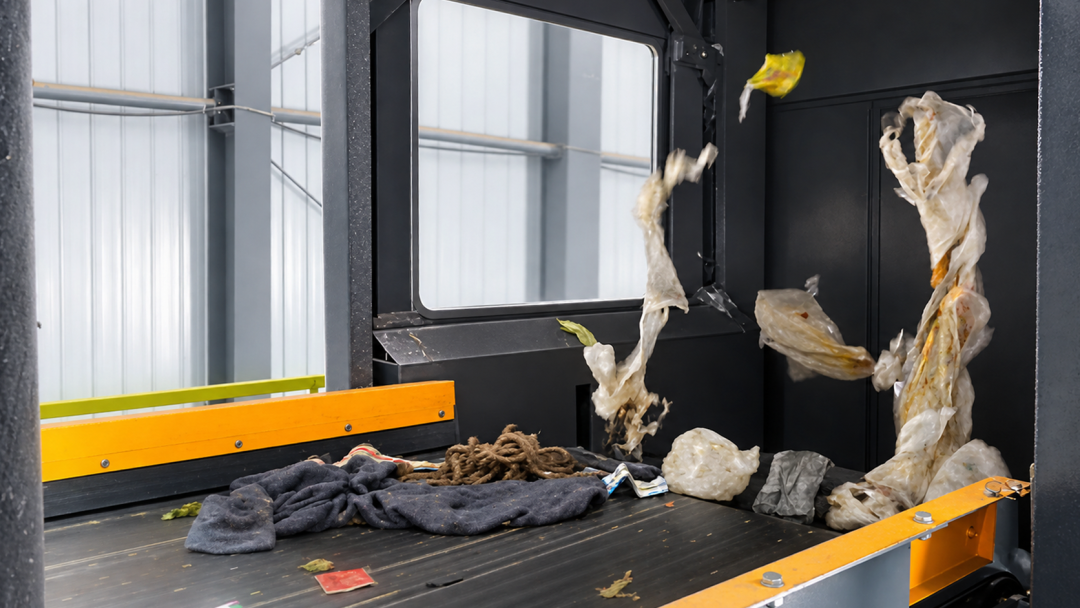
Under the traditional mixed collection and transportation model, about 15%–30% of low-value recyclables cannot be effectively recovered because they are mixed with other waste and are ultimately incinerated together with the waste—wasting resources and increasing disposal loads.
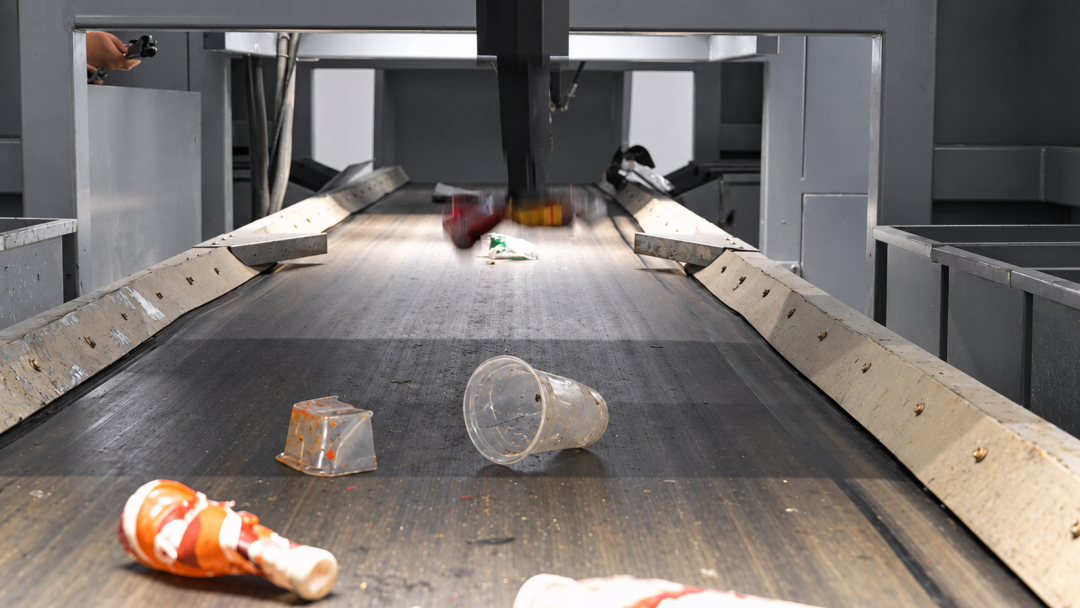
Through intelligent precision sorting technologies, combined with multimodal visual recognition, AI robotic sorting, and other processes, mixed waste can be finely separated, with sorting accuracy reaching over 80%, directly achieving a 30%–40% reduction in municipal solid waste. Taking a transfer station with a daily processing capacity of 100 tons as an example, about 40 tons of recyclables can be sorted out every day, reducing end-of-pipe disposal volume by more than 10,000 tons per year.
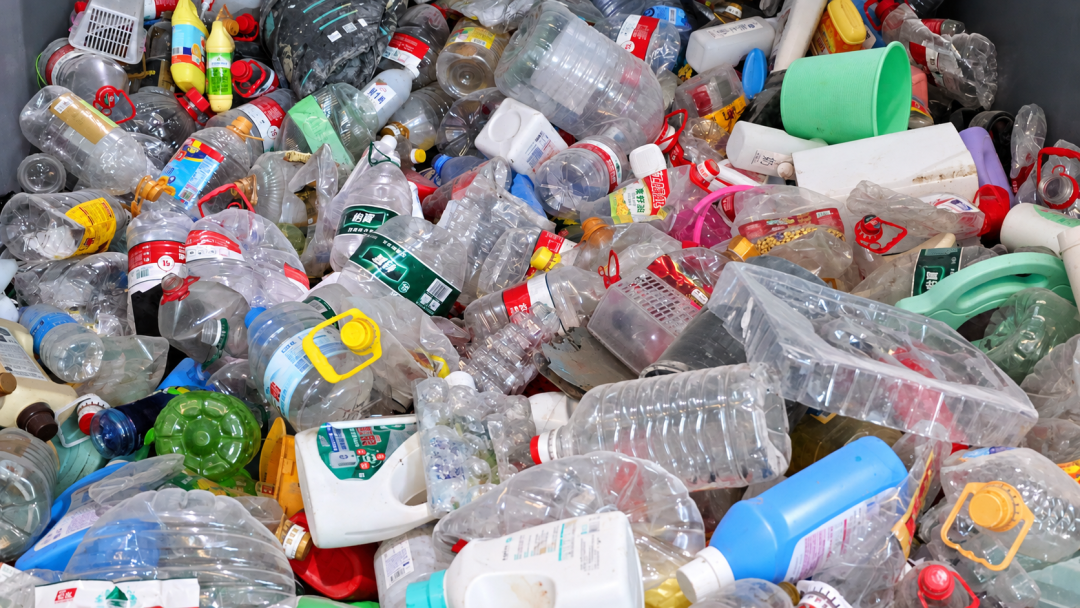
Multi-Party Benefits: Unlocking the Comprehensive Governance Value of Waste Sorting
For governments, the governance benefits brought by waste sorting are significant. On the one hand, it directly reduces fiscal expenditure. At present, municipal solid waste disposal costs nearly RMB 200 per ton; a 40% reduction can save a corresponding proportion of treatment and transportation costs. On the other hand, after sorting, the waste components are purer and the incineration calorific value is more stable, which can reduce the difficulty of flue gas treatment, improve environmental supervision efficiency, and help cities meet carbon reduction assessment targets.

For project operators, precision sorting creates a sustainable business model. Sorted recyclables such as waste paper, plastics, and metals can directly enter the renewable resource market and generate revenue, forming a dual income structure of “disposal fees + resource-based products.” For large-scale sorting projects, the return on investment can reach around 20%, transforming traditional sanitation facilities from “fiscal cost centers” into value-creating nodes of “environmental protection + revenue.”

Waste sorting has never been a simple “multiple-choice question”; it is a systematic project connecting government governance, enterprise operations, and environmental protection. As sorting technologies and management models continue to mature, the path to reducing municipal solid waste will become clearer, and cities will gradually move toward a greener and more sustainable future in this process.
 Prev
