





 Time:2026-09-14
 Source:
As urban renewal, old city renovation, and infrastructure construction continue to advance, the volume of construction and demolition (C&D) waste remains high. The industry’s focus is also shifting: in the past, the question was “how to dispose of” C&D waste; today, the focus is increasingly on “how to recover resources, how to utilize them, and how to keep projects running over the long term.” C&D waste treatment is moving from end-of-pipe disposal toward resource recovery, and the logic of project development is changing accordingly.
Policy Support Continues to Intensify, Making Resource Recovery the Main Theme of the Industry
This shift has become more evident during the 15th Five-Year Plan period. In July 2026, the National Development and Reform Commission issued the 15th Five-Year Plan for Circular Economy Development, which proposed that by 2030, the annual comprehensive utilization volume of bulk solid waste should reach approximately 4.5 billion tons, and the output value of the resource recycling industry should reach RMB 8 trillion. It also explicitly called for expanding the scale of resource recovery and utilization of C&D waste and other bulk solid waste.
As policy goals become more detailed, the direction of industry development is becoming clearer. C&D waste is no longer merely a waste stream that needs to be transported and disposed of; it is being incorporated into the resource circulation system. This has created new market demand, and project evaluation criteria are gradually shifting from simple “processing capacity” to “resource recovery efficiency.”
Growing Market Demand Makes Project Operation the Key
From a market perspective, C&D waste resource recovery has considerable room for growth. Data shows that China generates more than 3 billion tons of C&D waste annually, accounting for over 40% of total urban waste, making it the largest source of urban solid waste.
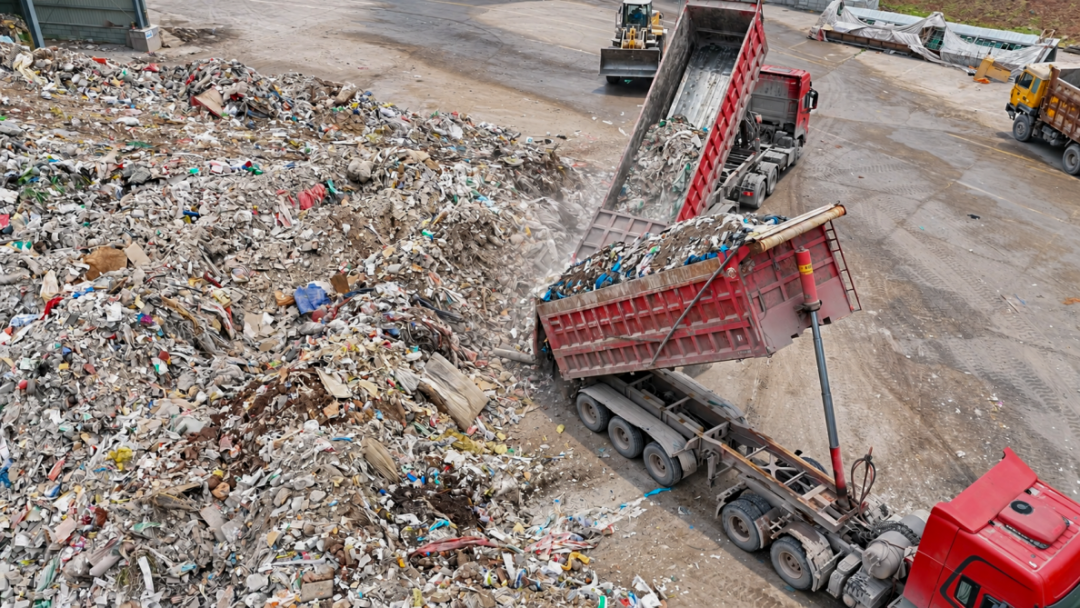
This huge volume of C&D waste provides ample potential feedstock for resource recovery projects. However, “a lot of waste” does not necessarily mean “a profitable project.” Once a project enters the operational stage, it faces a complete set of cost and revenue relationships.
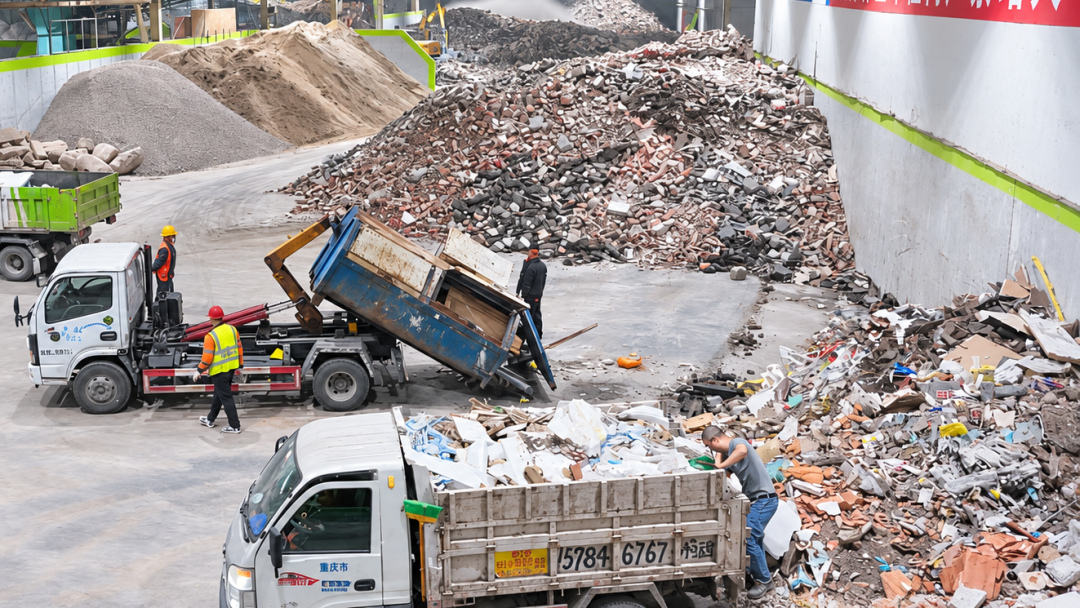
A stable waste supply determines whether the production line can operate continuously. Transportation distance determines the actual cost of feedstock entering the project. Material composition determines the treatment process. Equipment configuration determines processing efficiency and product quality. And the sales and off-take capacity for final products determines whether resource recovery revenue can be realized. Any deviation in one of these areas will affect the overall operation of the project.
For this reason, C&D waste resource recovery projects are shifting from a “construction mindset” to an “operations mindset.” A project must first clarify what materials it will process and how much material it will receive each day, then decide what process to adopt and what equipment to configure, and finally secure product off-take channels. The closer project planning is to real operating conditions, the more controllable the subsequent risks will be.
Equipment Is Only the Foundation; System Capability Determines Operational Performance
C&D waste is not a standardized raw material with uniform properties. Demolition waste, renovation waste, and engineering waste differ in composition, impurity content, moisture content, and resource recovery direction. In the face of different feedstocks, equipment cannot simply be copied, and treatment processes cannot be universally applied as a one-size-fits-all solution.
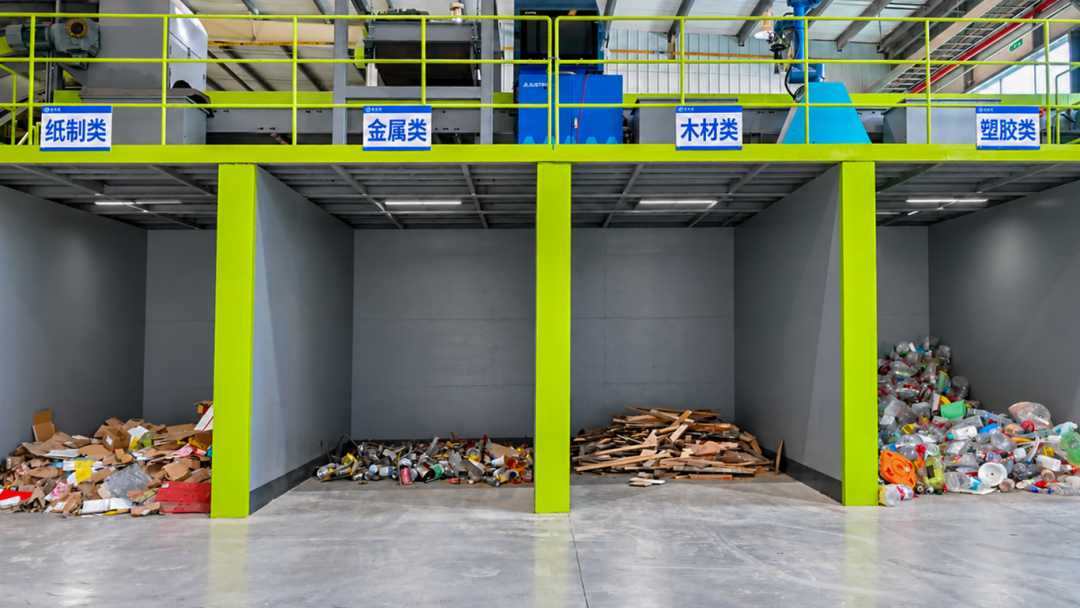
A truly effective equipment solution must be based on material analysis, and then reasonably combine pre-treatment, crushing, screening, and sorting processes so that each stage forms a stable connection. Only when equipment processing capacity matches feedstock characteristics, project scale, and downstream product requirements can it truly translate into project efficiency.
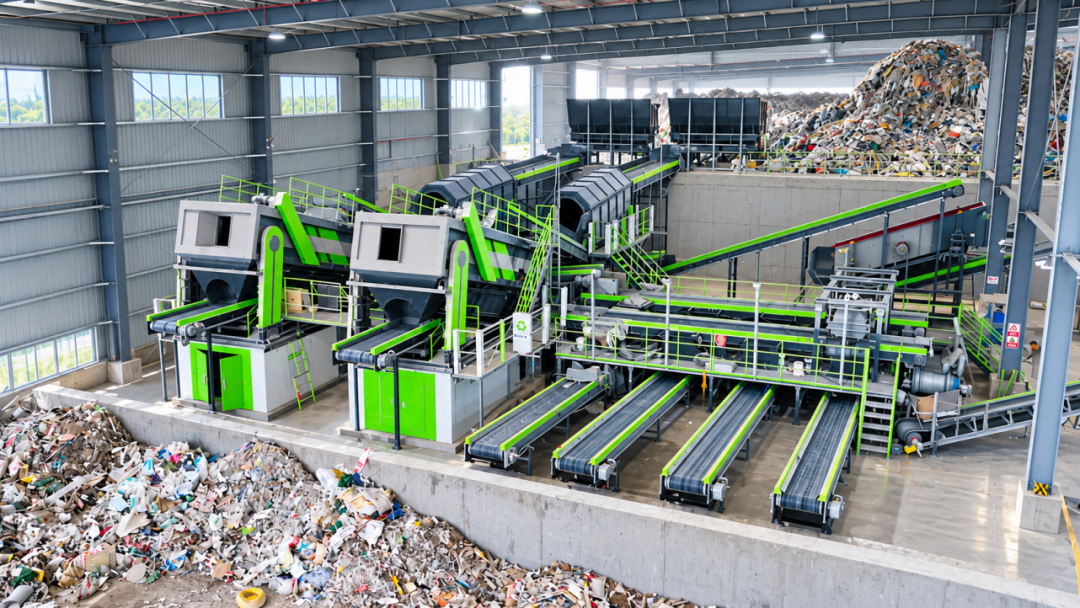
Taking Qinglv Environment as an example, in the field of C&D and renovation waste screening and resource recovery, its projects continuously develop equipment combinations and system configurations around different material characteristics. The focus is not only on the processing parameters of a single machine, but on the overall coordination from feedstock intake and material processing to resource recovery, making the equipment solution more closely aligned with the actual operational needs of the project.
During the 15th Five-Year Plan Period, Industry Competition Enters the Deep-Water Zone
Policy drives resource recovery, the market brings project demand, and project operations in turn place higher demands on technology and equipment. The three are forming a new industry logic: policy determines direction, the market provides space, and system capability determines whether a project can be implemented.
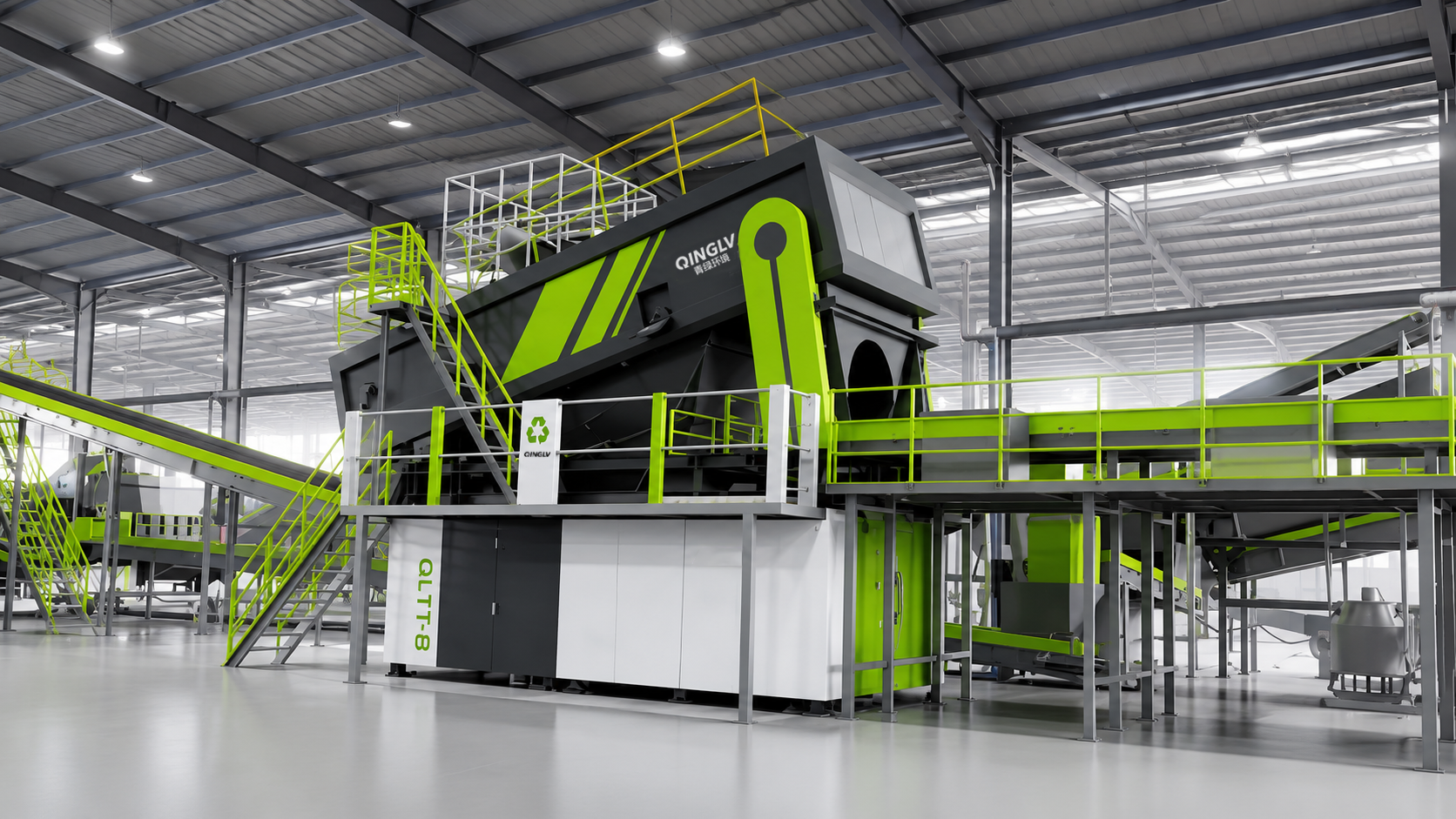
From “treating C&D waste” to “producing recycled resources,” the industry is entering a more refined and systematic stage of development. For project investors, what is needed is no longer just “a set of equipment,” but a system solution that can match materials, control costs, and support long-term operations.
 Prev
Prev