





 Time:2026-05-28
 Source:
A single policy document makes carbon reduction pressure impossible to escape.
In April 2026, the Comprehensive Assessment Method for Carbon Peak and Carbon Neutrality was officially released. In the form of a party regulation, it directly incorporates the achievement of dual-control carbon reduction targets into the comprehensive evaluation and cadre appointment system of local party and government leadership teams.
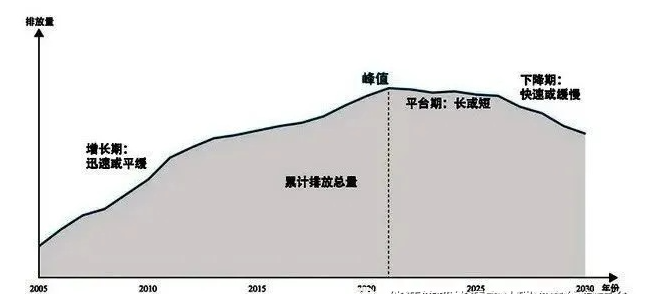
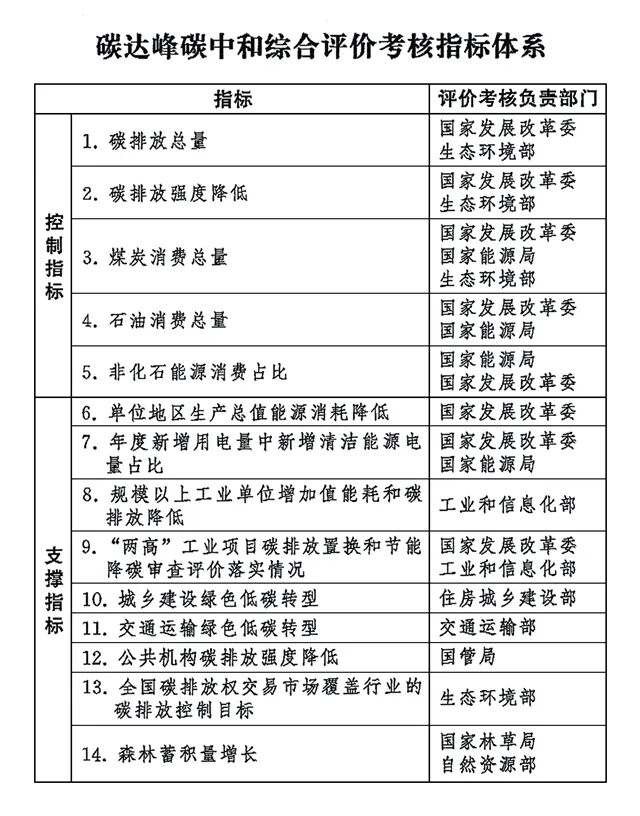
This means that “dual carbon” is no longer just a strategic slogan on paper. Carbon reduction pressure will cascade from local governments to the industrial and corporate levels, profoundly reshaping the logic of investment attraction and the direction of industrial layout. The Assessment Method establishes a “5+9” indicator system: five rigid control indicators cover total carbon emissions, emission intensity, coal and oil consumption, and the share of non-fossil energy; nine supporting indicators extend to key areas such as industry, transportation, and the carbon market. Emission reduction responsibilities have never been so clear and specific.
The solid waste treatment industry is undergoing a value reassessment.
For a long time, municipal solid waste was seen as a “burden” of environmental governance – treated just to make it disappear. But under the lens of the dual-carbon goals, the identity of waste is quietly changing.
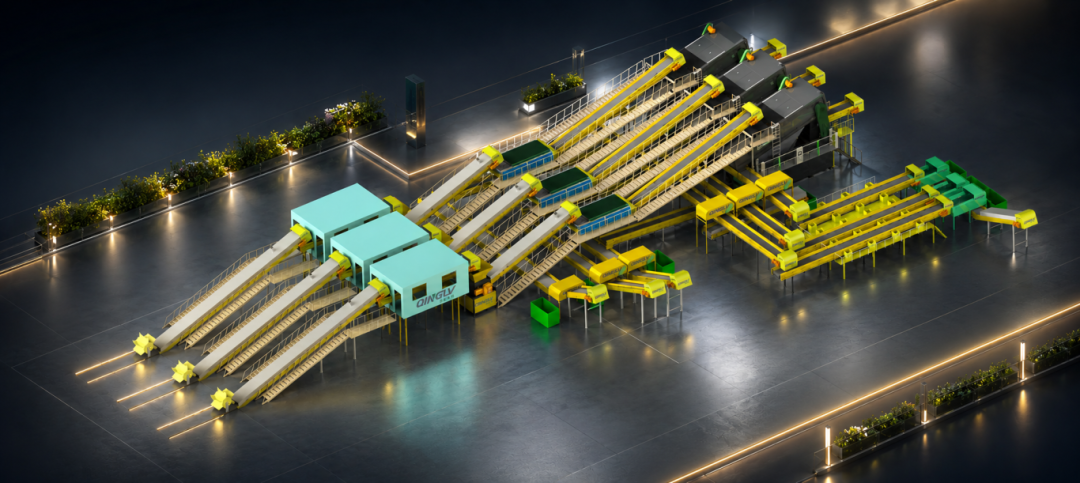
Waste-to-energy, biomass utilization, and organic waste resource recovery naturally have low-carbon and emission-reduction attributes. Companies not only earn traditional treatment revenues but can also monetize their emission reduction contributions as independently tradable carbon assets by developing green certificates, CCER, and other mechanisms. The “urban carbon mine” is becoming a reality.
Sorting – the first gate to resource recovery.
The prerequisite for turning waste into resources is high-quality waste sorting. Mixed waste often loses its recycling value because of high impurity levels, and large quantities of potentially valuable materials end up in low-efficiency landfills.
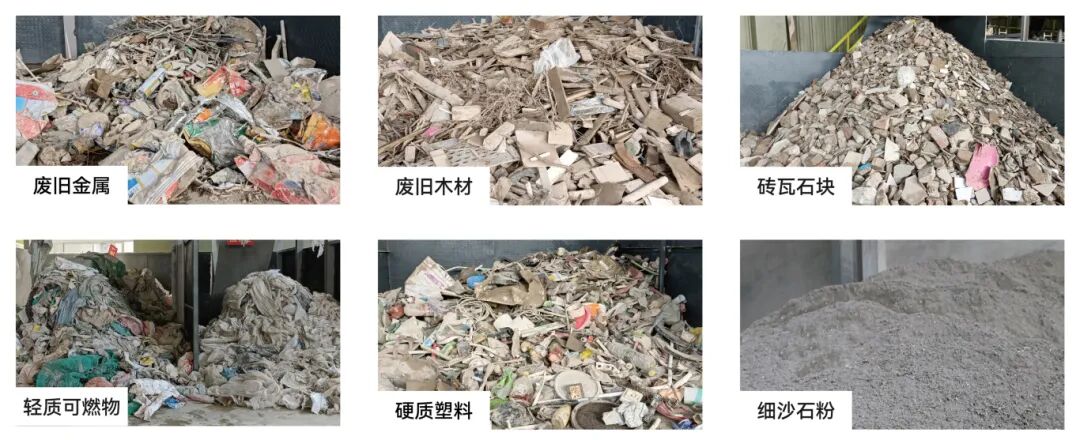
Precise sorting determines where resources go and sets the ceiling for downstream value:Organic waste is converted into biomass energy, producing stable green steam and electricity.
High-purity recyclables enter the recycled materials market, reducing industrial dependence on virgin resources.
The carbon reductions along the entire chain can be registered and traded through CCER mechanisms as quantifiable, monetizable carbon assets.
A new role for solid waste treatment enterprises.
Driven by both policy and market forces, the strategic boundaries of solid waste companies are being redefined. With the rise of new green energy industries such as alternative fuels (RDF/SRF), green hydrogen, green methanol, and sustainable aviation fuel (SAF), a stable supply of biomass feedstock and urban organic waste will become a critical foundation for green carbon sources. In the future, waste treatment plants may no longer be just “environmental facilities” but will evolve toward a new integrated model that couples “solid waste treatment + green energy + green fuel.”
The solid waste industry is transforming from a public utility centered on end-of-pipe treatment into a comprehensive green infrastructure platform with three core capabilities: resource circulation, energy supply, and carbon reduction. Waste is no longer just a problem to be dealt with – it is a resource worth redefining. Whoever completes the transition from “end-of-pipe treatment” to “resource operation” first will seize the lead in the next wave of the green economy.
 Prev
Prev