





 Time:2026-08-28
 Source:
Recently, the Ecological Environment Code of the People's Republic of China officially came into effect. This is China's second law to bear the title of "Code," following the Civil Code, and it is also the world's first code named after "ecological environment." The Code systematically consolidates more than 30 previously scattered laws and over 100 administrative regulations, forming a comprehensive system of five parts with 1,242 articles—marking a new phase of "codified" environmental governance in China.
Within this landmark legal framework, solid waste pollution prevention and control stands as an independent part, establishing a clear legal coordinate for the industry. The Code sets reduction, resource recovery, and harmless treatment as the core principles of solid waste management, emphasizing full-chain supervision from generation to disposal. It also places equal weight on source reduction and resource utilization, explicitly directing efforts toward reducing landfill proportions.
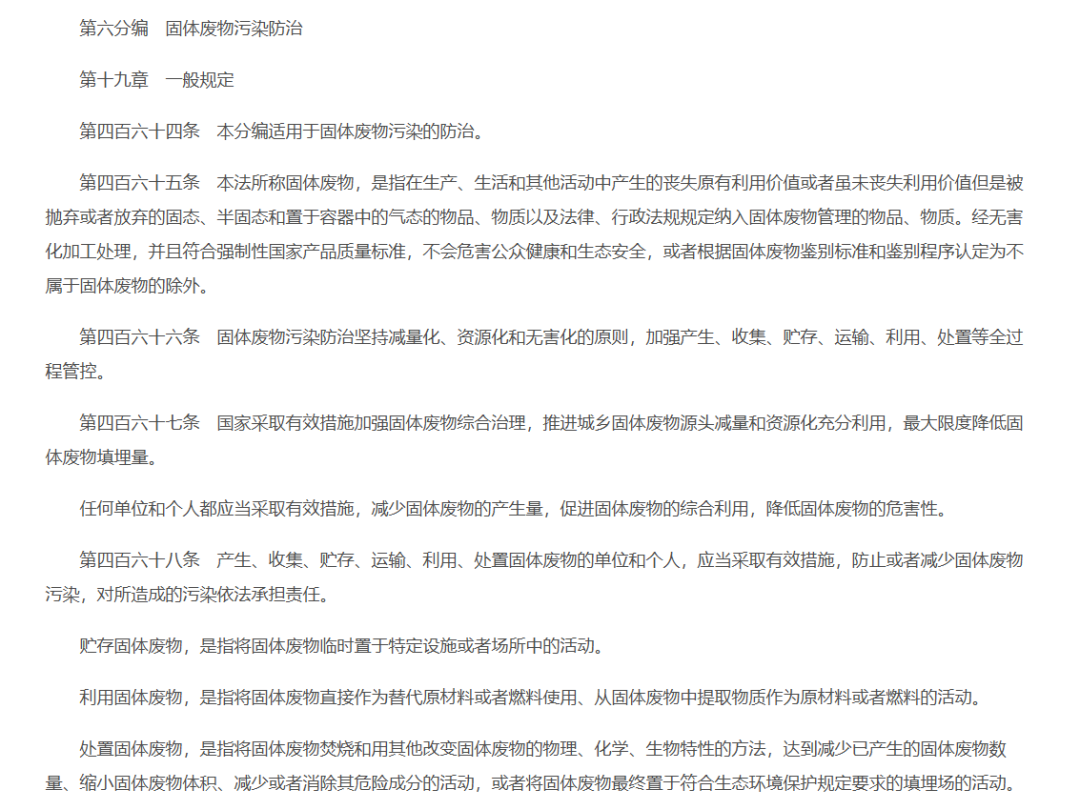
This transition—from end-of-pipe disposal to resource recovery, and from haphazard stockpiling to precision sorting—brings clear policy dividends to the solid waste sorting and resource recovery industry, while also raising the bar for technological and operational capabilities.
As a global provider of intelligent solid waste sorting solutions, Qinglv Environment has long focused on the field for nearly 20 years, focusing on construction and demolition waste, mixed low-value municipal solid waste, and aged landfill waste. Through proprietary technologies such as AI-powered sorting and 3D sorting, Qinglv helps numerous projects achieve resource recovery yields consistently above the industry average, without compromising sorting purity.
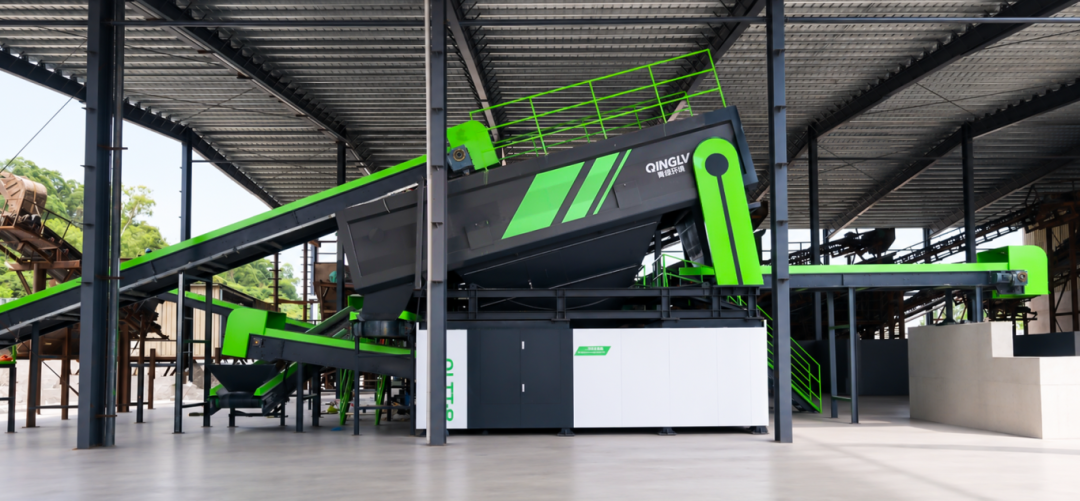
For instance, the Chongqing C&D waste resource recovery project has been selected as a typical case for the "Zero-Waste City" initiative during the 15th Five-Year Plan period. Some projects have even achieved 100% unmanned sorting and sustainable market-based operations without government subsidies—truly turning solid waste into valuable resources.
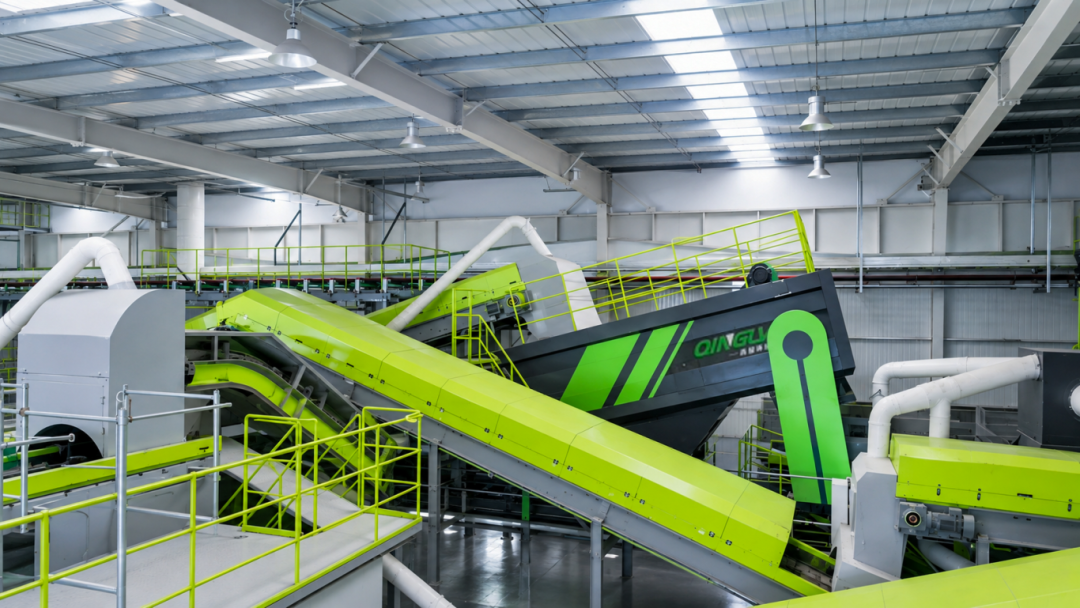
Under the Code, the industry's value proposition is being reshaped. For solid waste treatment enterprises, line efficiency, sorting accuracy, resource recovery rates, and full-process environmental control capabilities will become key competitive factors in project development. Looking ahead, Qinglv Environment will continue to respond to new regulatory requirements with technological innovation, working alongside industry peers to write a new chapter for solid waste resource recovery.
 Prev
Prev