





 Time:2026-05-18
 Source:
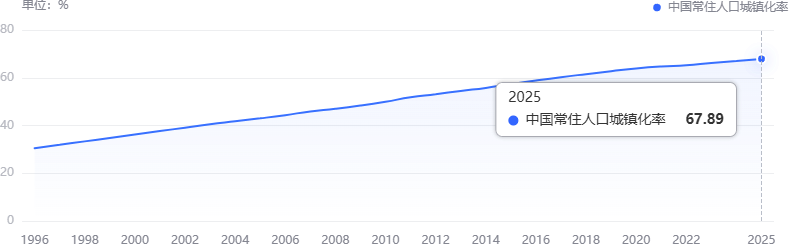
By the end of 2025, China’s permanent urban population ratio had reached 67.89%. Cities are growing, buildings are being replaced, but one thing is also expanding — construction and renovation waste.
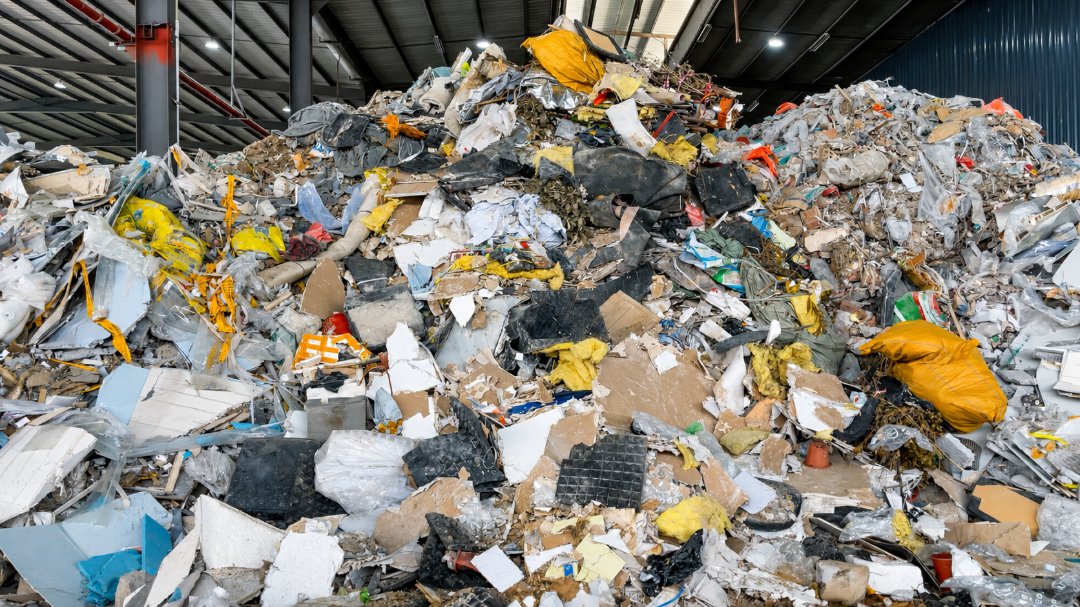
According to estimates by the Ministry of Housing and Urban-Rural Development, China generates over 2 billion tons of construction waste every year. Among this, renovation waste accounts for a rising share as the stock of existing buildings ages. Unlike demolition waste, which is relatively uniform in composition, renovation waste is extremely complex: a mixture of waste concrete, crushed bricks, scrap wood, plastics, metals, gypsum board, and various adhesives.
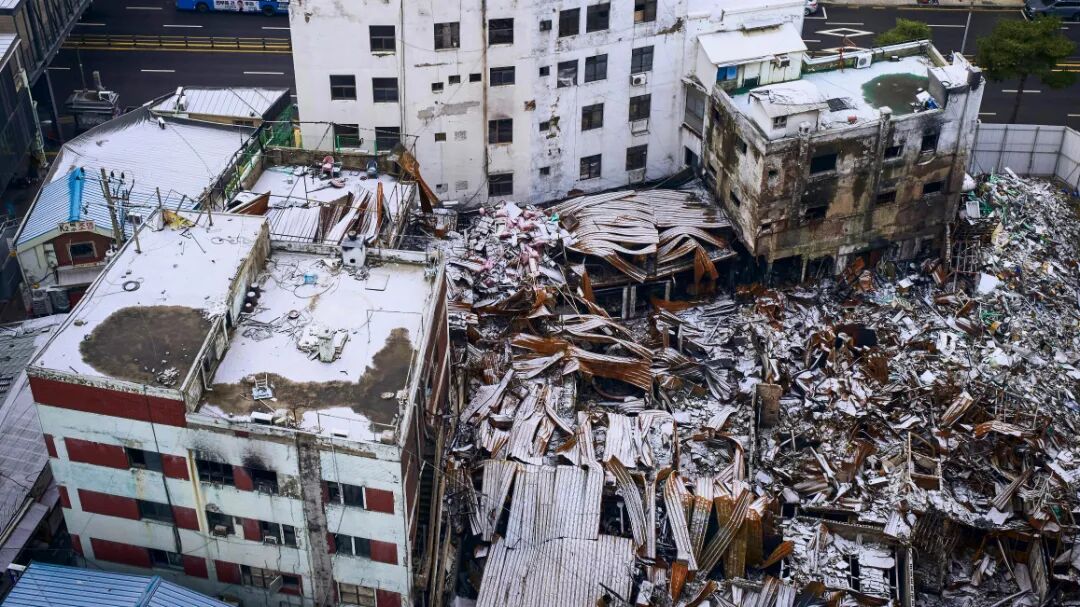
This complexity creates huge environmental pressure. Traditional landfill not only occupies valuable land resources but also risks long-term chemical pollution of groundwater from heavy metal leachate. Against the backdrop of “Zero-Waste City” construction and the “dual carbon” goals, the old extensive disposal model is no longer viable. The industry urgently needs a cognitive shift – from “cleaning up” to “circulating.”
To turn waste into resources, sorting is the key to success. The core difficulty of construction and renovation waste lies in the high variability of its physical and chemical properties. Without fine sorting, organic matter can weaken recycled materials, and fine impurities can damage downstream processing equipment.
The critical link in waste resource recovery
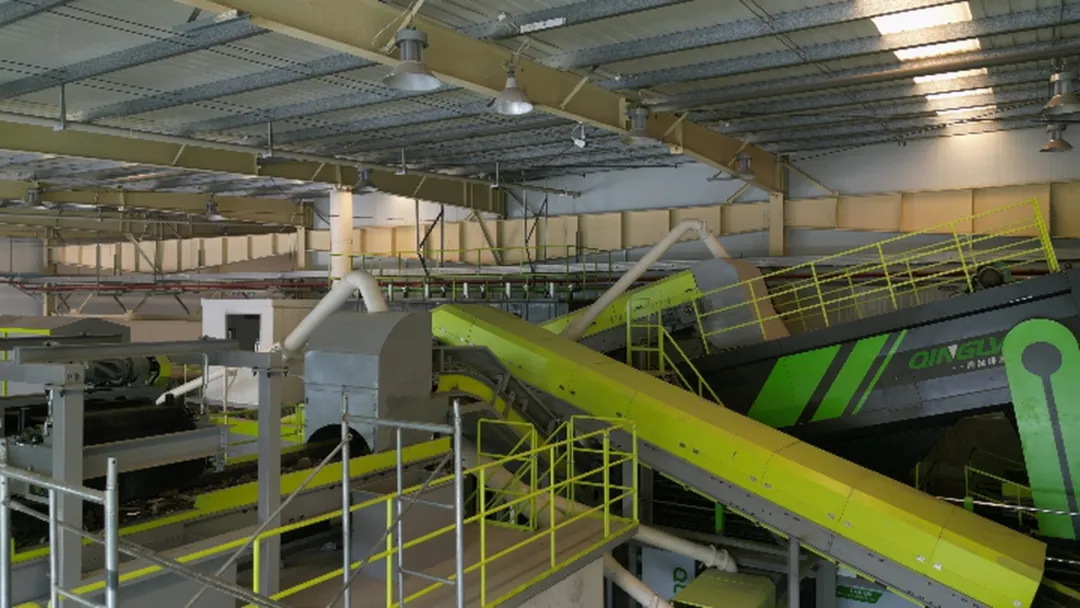
Modern technology offers scientific solutions for this challenge. Using a combination of pre-treatment, fine screening, 3D sorting, AI sorting, and other techniques, we can precisely separate metals, wood, plastics, and mineral aggregates. This deep physical separation is not only an environmental necessity but also a business imperative – only high-purity outputs can command a premium in the raw materials market.
Reshaping the closed-loop economy of the construction industry
Emphasizing the resource recovery of construction and renovation waste goes far beyond waste reduction. From a business value chain perspective, this is a reshaping of supply chains.
Strategic supplement to raw materials: Processed construction waste can be turned into recycled aggregates, widely used in road base, non-load-bearing walls, and eco-bricks. As sand and gravel resources become increasingly scarce, recycled aggregates provide a stable secondary source of supply for urban construction.
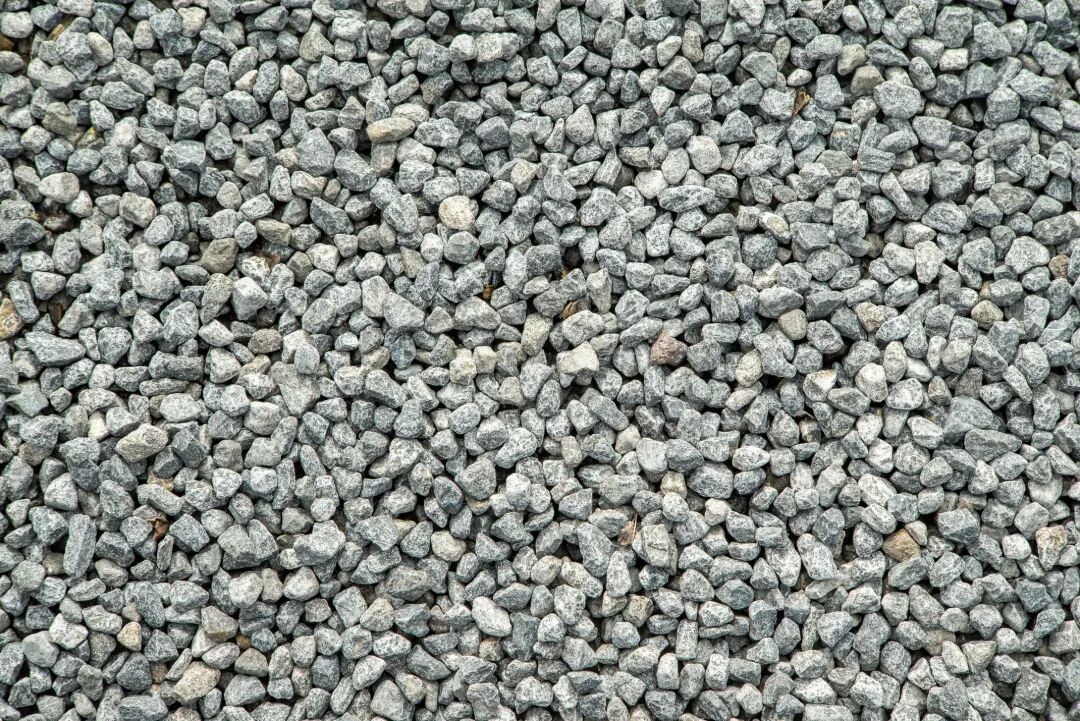
Hidden contributor to carbon reduction: Compared to mining virgin materials and producing cement, using recycled resources significantly reduces lifecycle carbon emissions. This makes it an attractive transformation path for construction companies facing carbon tariffs and ESG assessments.
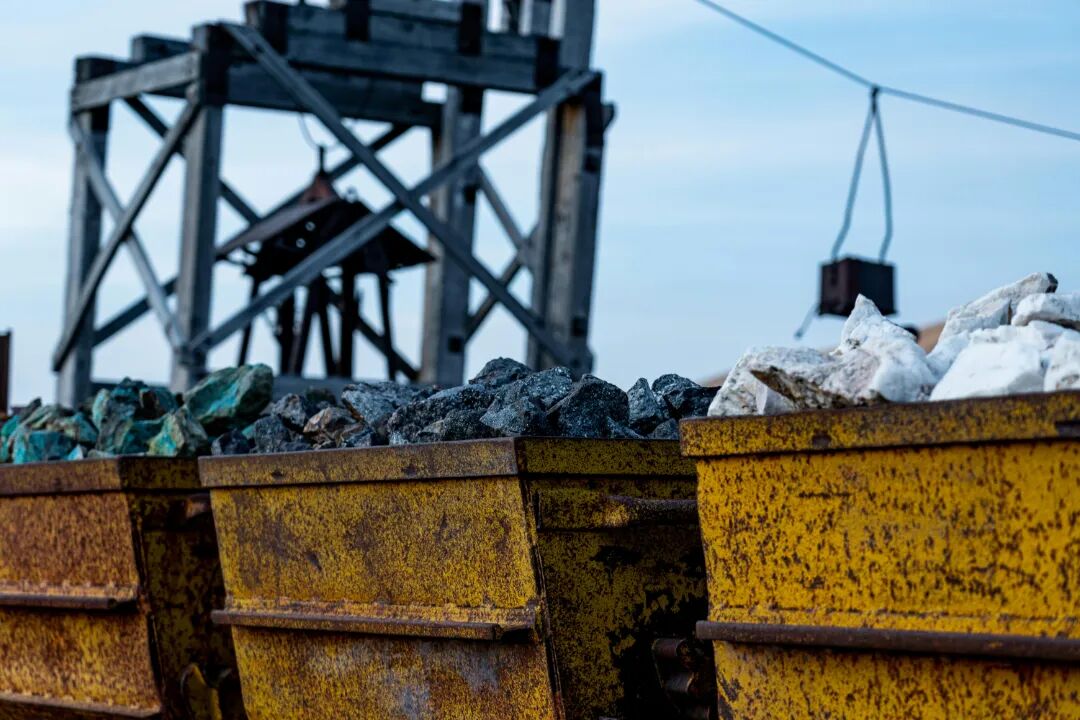
A new blue-ocean industry: Resource recovery is no longer a public welfare effort. It is a complete industrial chain covering intelligent equipment manufacturing, downstream sorting and transportation, and sales of recycled products. With government policies supporting the market entry of recycled products, business certainty in this field is steadily increasing.
At present, many cities across China are planning industrial parks for construction waste recycling, and “Zero-Waste City” pilot projects continue to advance. Data shows that the market size of construction and renovation waste recycling in China has grown rapidly in recent years, and the industry is moving from policy-driven to market-driven.
The future of truly advanced cities lies not in more skyscrapers or wider roads, but in a more efficient ability to circulate resources. When a city can turn its demolished and renovated waste back into new raw materials, it gains the fundamental capacity for sustainable development. Managing construction and renovation waste is, on the surface, about waste disposal – but in reality, it is about reshaping the resource logic of a city’s civilization.
 Prev
Prev