





 Time:2026-06-03
 Source:
Recently, the State Council officially issued the Urban Renewal – 15th Five-Year Plan, drawing a new blueprint for high-quality urban development in China over the next five years. The Plan clearly states the need to shift urban development from incremental expansion to stock improvement, and to accelerate the construction of modern people-centered cities that are innovative, livable, beautiful, resilient, civilized, and smart. Under this strategic framework, urban renewal is no longer just about upgrading infrastructure – it has become a crucial driver for green and low-carbon transformation as well as resource recycling.

Urban Renewal Creates New Opportunities for Resource Utilization
The Plan sets ambitious targets for the 15th Five-Year period: renovate about 500,000 dilapidated urban housing units, start renovation of about 115,000 old residential communities, redevelop about 4,000 urban villages, upgrade about 1,500 old commercial districts and industrial plants, and complete the renovation of 365,000 kilometers of underground utility pipelines.
Such a massive volume of urban renewal means that behind every renovation project lies a large amount of construction waste, renovation debris, and demolition materials. The core challenge – turning this "urban waste" from a source of secondary pollution into renewable resources and recycled building materials – is precisely where Qinglv has been focusing its efforts for years.
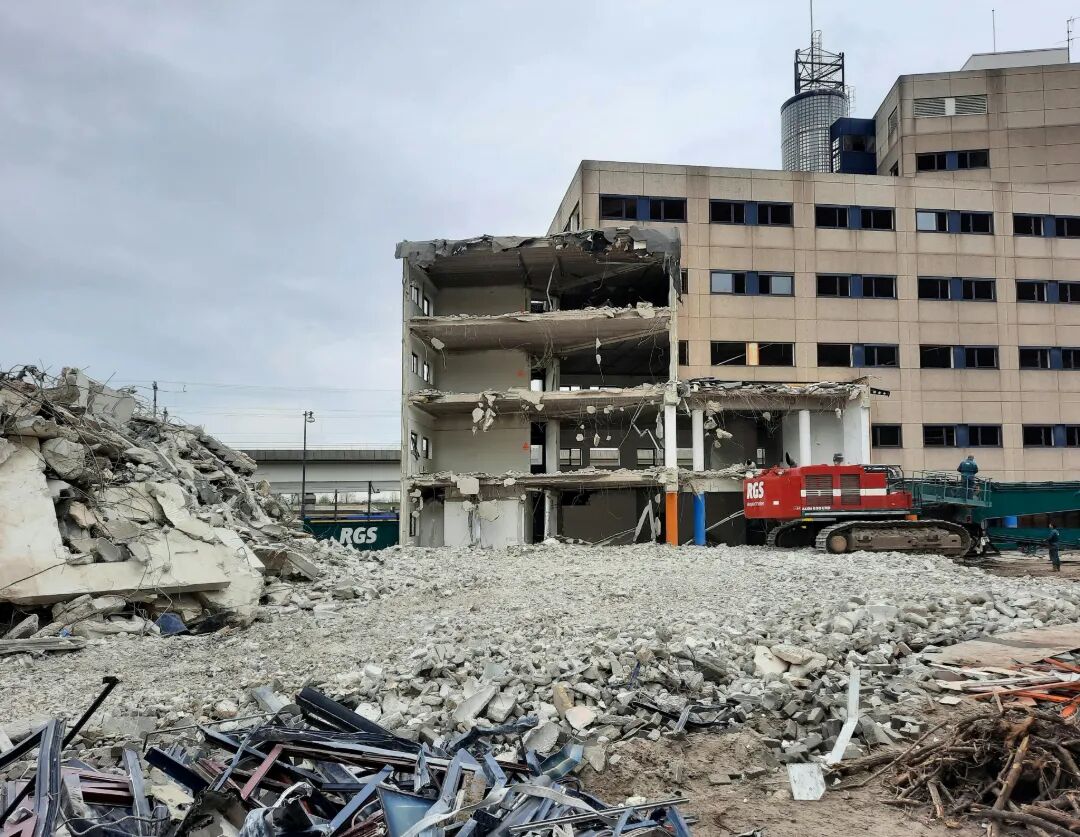
Through advanced sorting technology and resource recovery processes, construction waste can be converted into recycled aggregates and building materials; renovation waste can be separated into multiple pure fractions; metals, wood, and plastics from bulky waste can re-enter the industrial cycle – truly turning waste into treasure.
Institutional Improvement Unlocks New Drivers for Resource Circulation
The release of this Plan also sends an important signal: urban renewal is moving toward institutionalization, long-term effectiveness, and market orientation. The establishment of multi-stakeholder collaboration mechanisms and the improvement of laws, regulations, and standards will further regulate the construction waste disposal market, eliminate crude and low-end disposal models, and open up broader market space for professional service providers with core technological capabilities.
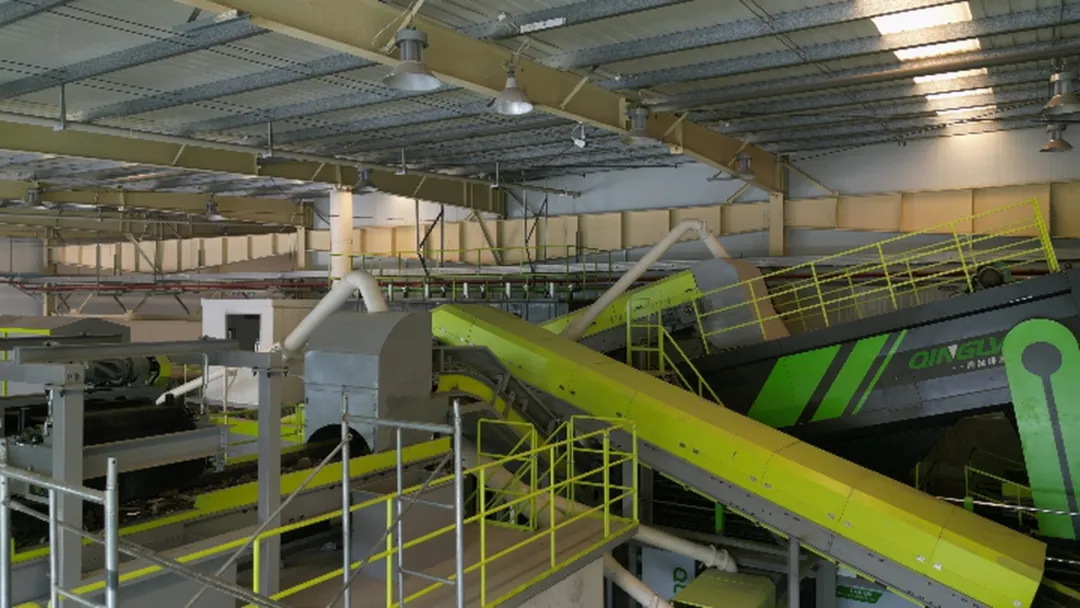
According to estimates, the total market size for urban renewal during the 15th Five-Year Plan period is expected to reach 15 to 20 trillion RMB, and the share that solid waste resource recovery can capture will also reach historic highs.
The curtain on urban renewal has risen, and the wave of green, low-carbon development is accelerating. Standing at this new historical starting point of the 15th Five-Year Plan, the waste-to-resource industry not only carries the important mission of environmental governance, but also bears the responsibility of promoting resource recycling and supporting sustainable urban development.
Qinglv looks forward to joining hands with more partners to seize the opportunities brought by urban renewal, injecting new momentum into the building of a beautiful and green China.
 Prev
Prev