





 Time:2026-07-06
 Source:
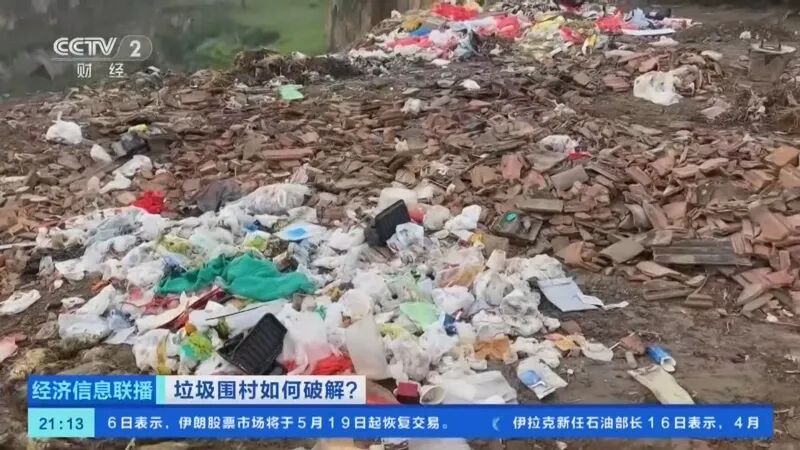
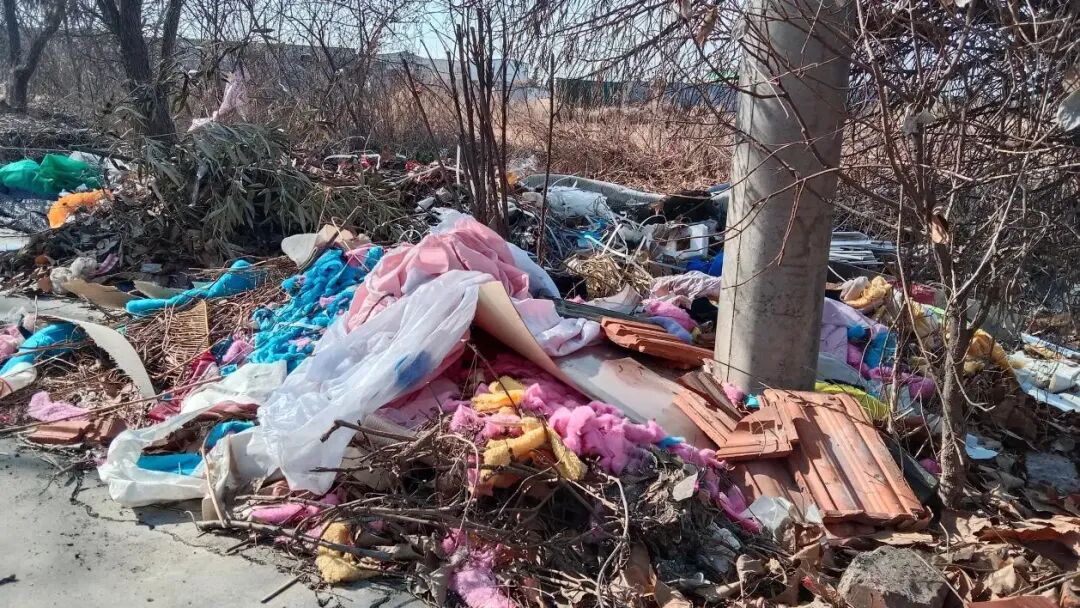
As rural infrastructure construction and the renovation of farmhouses continue to advance, the volume of rural mixed domestic solid waste and other solid wastes has been growing steadily. Many regions still face problems such as mixed stockpiling, insufficient treatment capacity, and low resource utilization rates. The phenomenon of “garbage‑surrounded villages” is not merely a rural living environment issue, but has also become a solid waste governance challenge that constrains the green development of rural areas.
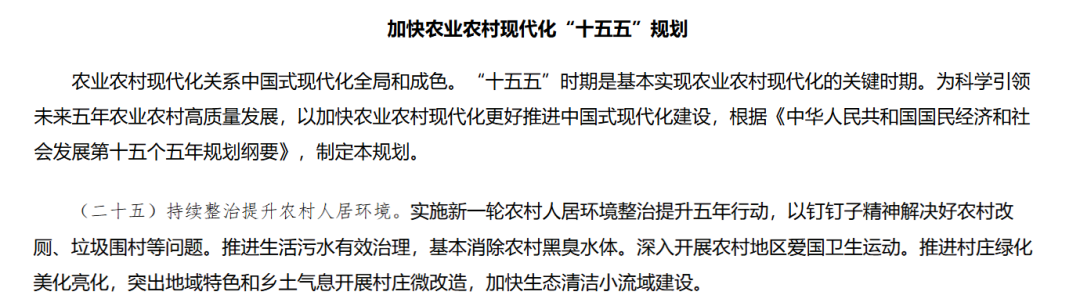
The 15th Five‑Year Plan for Accelerating Agricultural and Rural Modernization explicitly calls for sustained improvement of rural living environments, the implementation of a new five‑year action plan for rural human settlement enhancement, and a persistent, focused effort to address issues such as rural toilet renovation and garbage‑surrounded villages. This signals that rural solid waste governance is shifting from a pure “collection‑transport‑disposal” model toward an integrated approach that prioritizes waste reduction, resource recovery, and harmless treatment. The construction of resource circulation systems will become a key strategic direction for the future.
Data Growth Drives Upgraded Governance – Resource Recovery Is Becoming Imperative
According to statistics from the Ministry of Agriculture and Rural Affairs, China’s rural areas generate more than 200 million tons of household waste annually. As rural construction activities increase, all kinds of mixed waste continue to accumulate. Traditional landfilling or simple incineration not only occupy valuable land resources but also lead to the loss of large quantities of reusable materials. The end‑of‑pipe treatment model is no longer adequate to meet the requirements of high‑quality development.
In this context, waste‑to‑resource treatment technologies – built around processes such as pre‑treatment, 3D sorting, and AI‑powered intelligent sorting – are gradually being extended to rural settings. Through multi‑stage sorting processes, metals, plastics, waste paper, light fractions, and other components can be efficiently separated from mixed waste. These sorted materials can then be further processed into refuse‑derived fuel (RDF) and other recycled resources, significantly improving the resource recovery rate of solid waste while reducing end‑disposal costs.
Policy and Market Forces Work in Tandem – Rural Resource Recovery Projects Enter a Window of Opportunity
For local government platform companies, environmental investment enterprises, and private capital, rural waste‑to‑resource projects represent not only a key lever for implementing rural environmental governance policies, but also a new growth area for the circular economy industry. With diversified revenue streams – including waste treatment service fees, sales of recovered materials, and utilization of resource‑based products – a sustainable operational system that delivers both ecological and economic benefits can be established.
As the rural solid waste resource recovery market continues to expand, waste sorting is being upgraded from a standalone environmental facility into a critical piece of infrastructure within the broader resource circulation system. Looking ahead, companies that move early to establish a presence in the rural solid waste resource recovery chain will be well positioned to capture market share in rural areas and unlock new opportunities in the green economy.
 Prev
Prev