





 Time:2026-11-21
 Source:
What does a solid waste resource recovery plant fear most?
It is not that the equipment is not advanced enough or that capacity is not large enough. Rather, it is “shortage of feedstock at the front end and shortage of orders at the back end”: unstable raw material supply makes continuous operation difficult, while recycled products lack stable sales channels, leading to inventory buildup and increased capital tie-up. What appears to be a capacity problem is in fact a problem of supply-demand matching and market-oriented operation.
PART.01 Capacity Does Not Equal Profitability
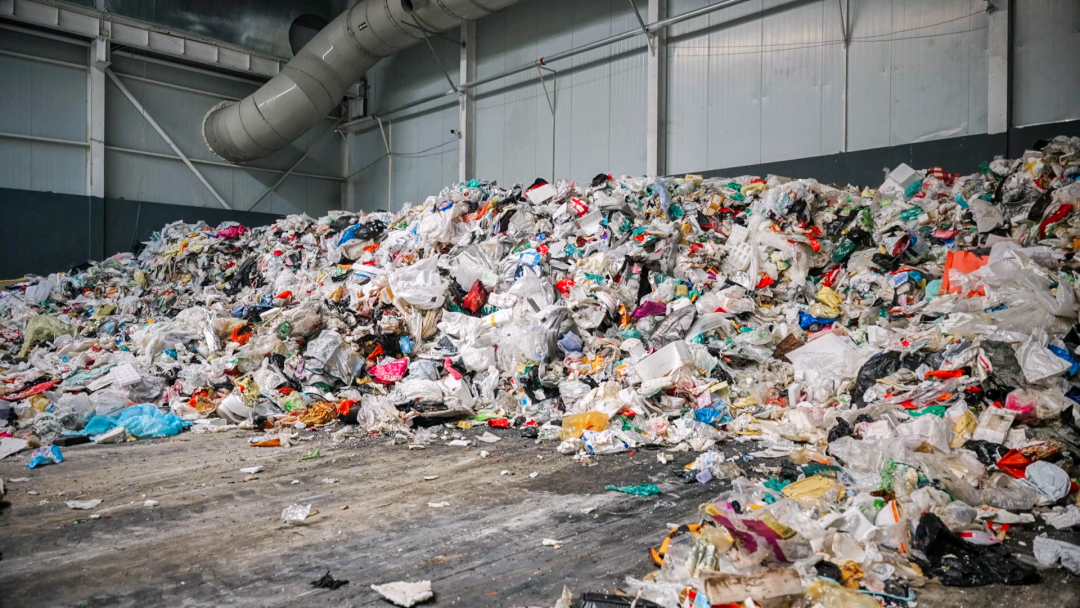
Many projects focus on processing scale, equipment configuration, and technical routes during feasibility studies, but underestimate feedstock security and product off-take. Solid waste sources are dispersed, compositions are complex, and quality fluctuates. Moisture content, impurity levels, and transportation radius all affect collection and transportation costs, pre-treatment efficiency, and product quality. Without a controllable feedstock system, it is difficult for equipment to achieve designed capacity and efficiency.
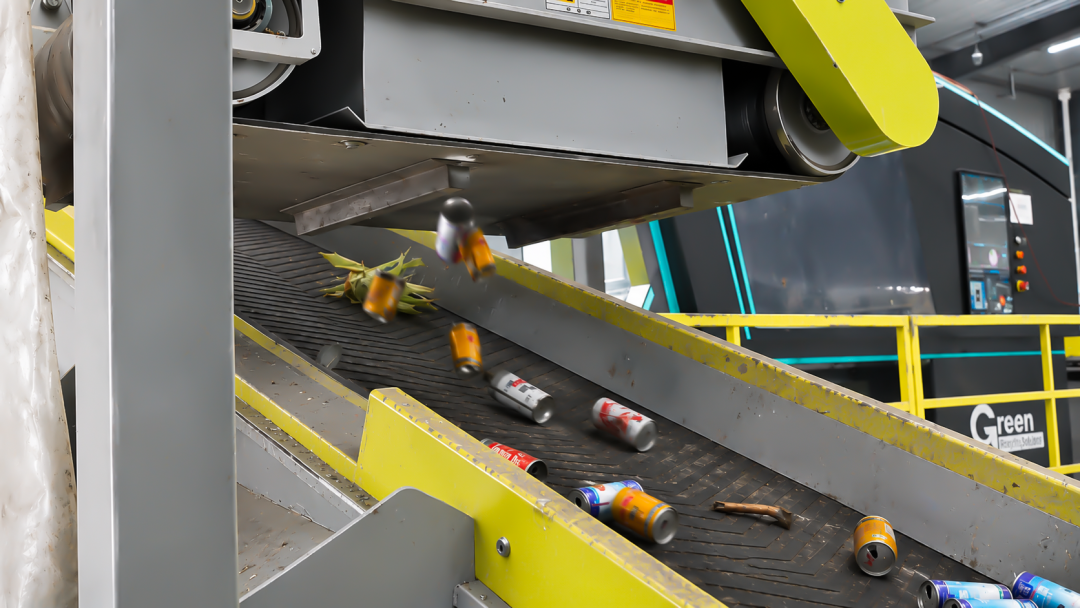
Recycled products are also not simply “sellable once processed.” To enter application scenarios such as engineering construction and building materials production, they must meet standards, quality requirements, and economic viability. Without downstream customers and off-take channels, the larger the output, the greater the pressure on inventory and cash flow.
PART.02 Supply and Demand Must Be Planned in Tandem
If upstream channels are lost, incoming volume declines; if downstream acceptance is insufficient, products are forced to be cleared at low prices. How can these problems be avoided to the greatest extent possible? The key lies in advancing the commercial closed loop.
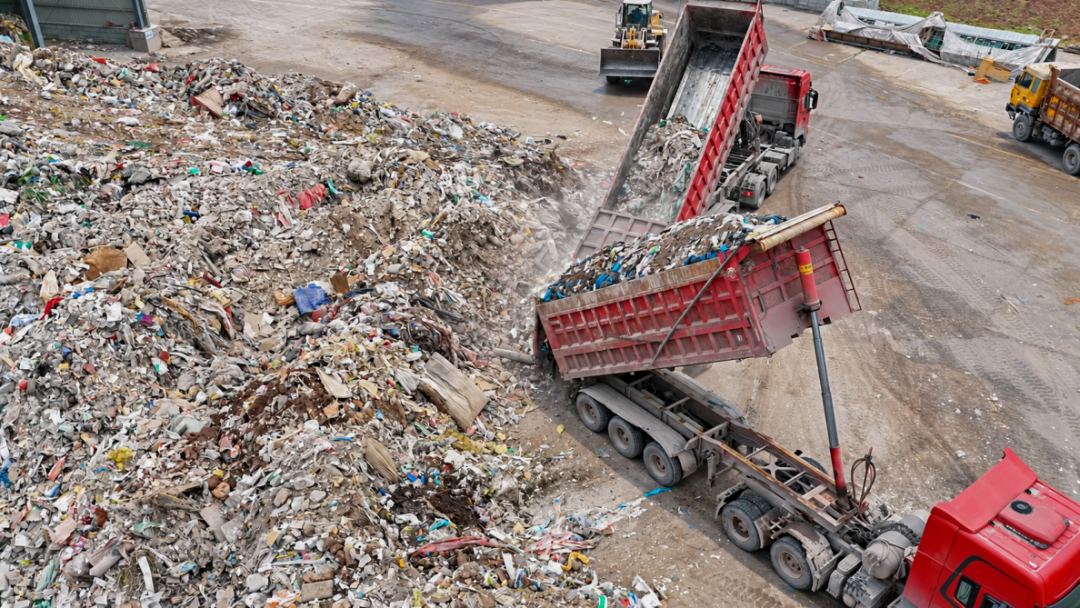
First, secure the feedstock end by establishing long-term recycling cooperation and diversified supply channels, and by managing quality and cost. Second, match the demand end by clarifying specifications and price ranges in advance around local engineering and building materials scenarios. Third, establish coordination mechanisms with waste generators, transporters, construction companies, and building materials enterprises, using framework agreements and directed supply to reduce the risk of supply-demand fluctuations.
PART.03 Moving from an Environmental Project to Sustainable Operations
Solid waste resource recovery is essentially an industrial chain spanning recycling, transportation, treatment, processing, and application—not merely a single “collect waste—process—sell goods” model. Enterprises need to account for not only processing volume, but also the comprehensive cost of feedstock, sales revenue, and the full-cycle ledger composed of transportation, inventory, and operating costs.
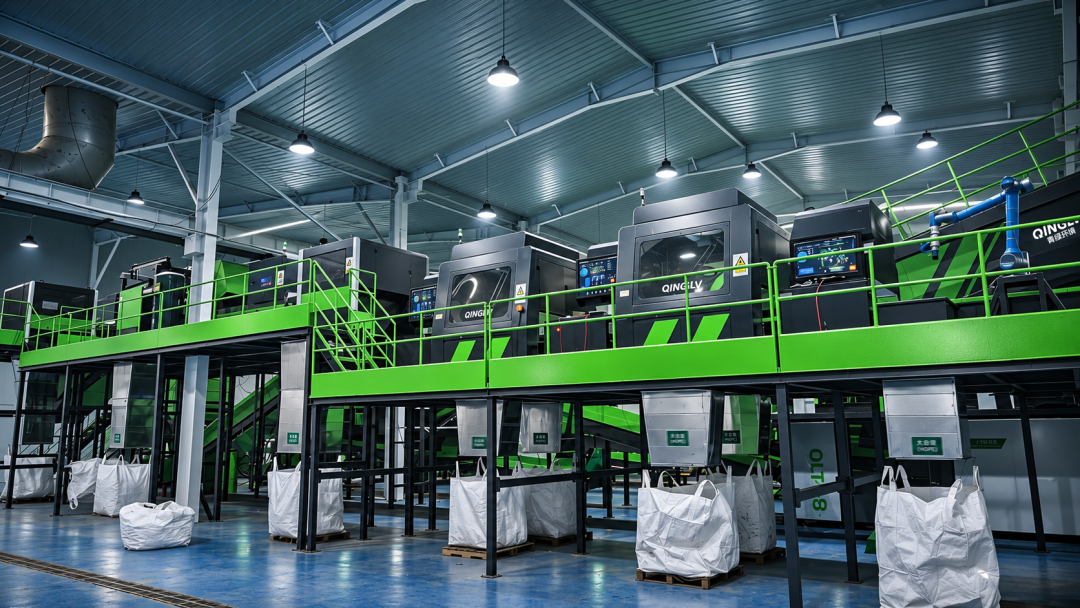
Processing scale determines how large an enterprise can become; supply-demand coordination capability determines how far it can go. The truly competitive enterprises are not necessarily those with the largest factories or the most equipment, but those that can precisely connect resource supply, processing, and market demand—ensuring that waste steadily enters the plant and recycled products steadily leave it. This is precisely the key step for solid waste resource recovery to move from an “environmental project” to a “sustainable business.”
 Prev
