





 Time:2026-10-30
 Source:
The completion of a solid waste treatment project is only the beginning of operations. Sorting efficiency, resource recovery rate, equipment stability, operating energy consumption, and sales of recycled products all affect the long-term economics of a project.
As the industry enters a new stage of development, companies not only need the ability to build projects, but also need to address how to operate efficiently, control costs, and continuously generate returns after construction.
Resource Recovery Upgrade: From End-of-Pipe Disposal to Value Recovery
On the basis of meeting reduction and harmless treatment requirements, increasing the recovery rate of usable components is becoming an important way to improve the economic performance of solid waste treatment projects. Through fine sorting, materials such as plastics, metals, and wood can be separated from mixed waste, creating conditions for the production of recycled raw materials or the use of alternative fuels.
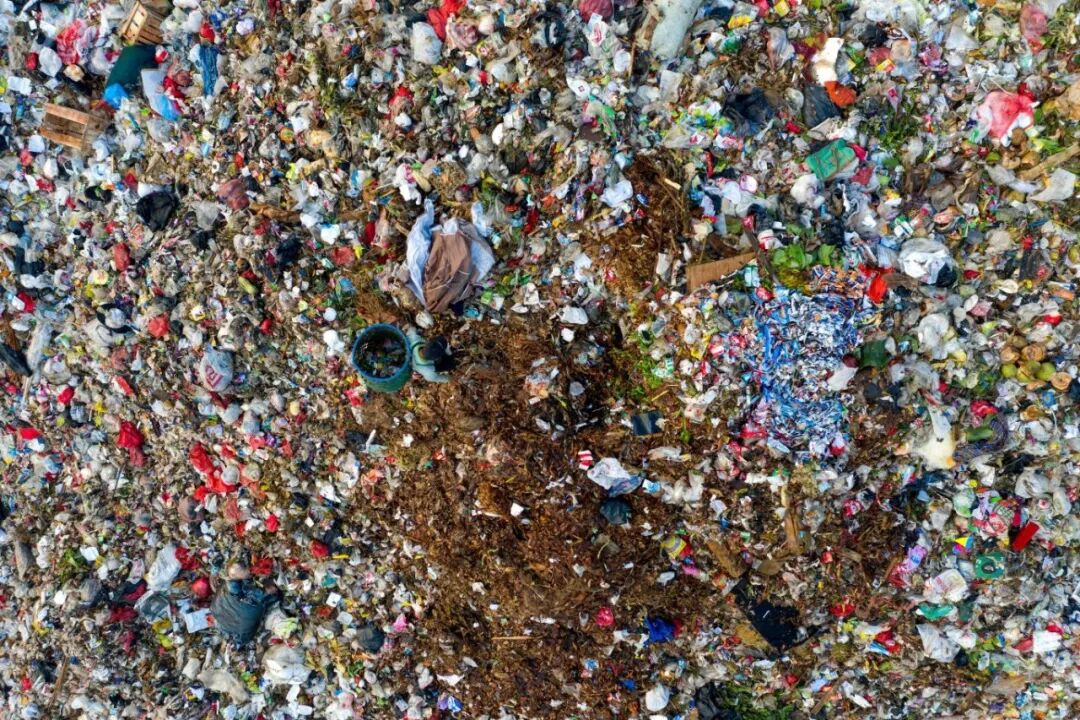
For scenarios including mixed low-value municipal solid waste, construction and renovation waste, and aged waste, Qinglv Environment adopts processes such as fine screening, 3D sorting, and AI intelligent sorting to improve the separation efficiency of recoverable components.

Taking the Guangdong mixed low-value municipal solid waste project as an example, the processing capacity reaches 300 tons per day, and the project’s resource recovery revenue is approximately 15% higher than the industry average. While meeting treatment requirements, the project further unlocks usable components in waste and enhances the resource value per unit of material.
Stock Renewal: From Facility Upgrading to Resource Redevelopment
In addition to new projects, efficiency improvement and upgrading of existing facilities, equipment renewal, and treatment of historically accumulated waste are also providing new business space for the industry.
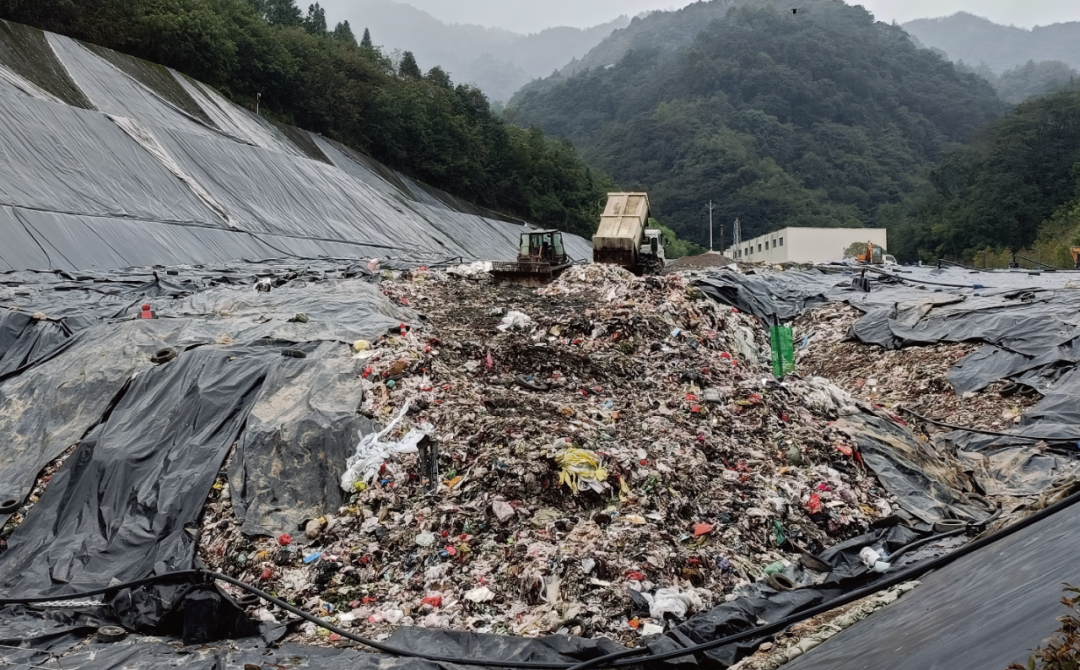
Landfill waste treatment is a typical scenario. Long-term landfilled waste occupies land, and some materials still have recovery value. However, its high soil content, mixed composition, and significant fluctuations increase the difficulty of sorting and resource recovery.

In response to these characteristics, Qinglv Environment combines processes such as 3D screening, air classification, and AI sorting to recover components including plastics, metals, and lightweight combustibles, and to separate backfill soil that meets requirements, promoting the upgrade of aged waste treatment from basic screening to systematic resource utilization. Such projects can not only reduce waste volume, but also recover usable materials and support subsequent land reuse.
Digital and Intelligent Transformation: Making Intelligent Sorting Serve Actual Operations
Rising labor costs, complex material composition, and higher sorting quality requirements are accelerating the automation and intelligent transformation of solid waste treatment lines. AI technology can assist in identifying different materials and coordinate with mechanical execution, front-end pre-treatment, and back-end quality control to improve sorting efficiency and reduce fluctuations caused by manual operations.
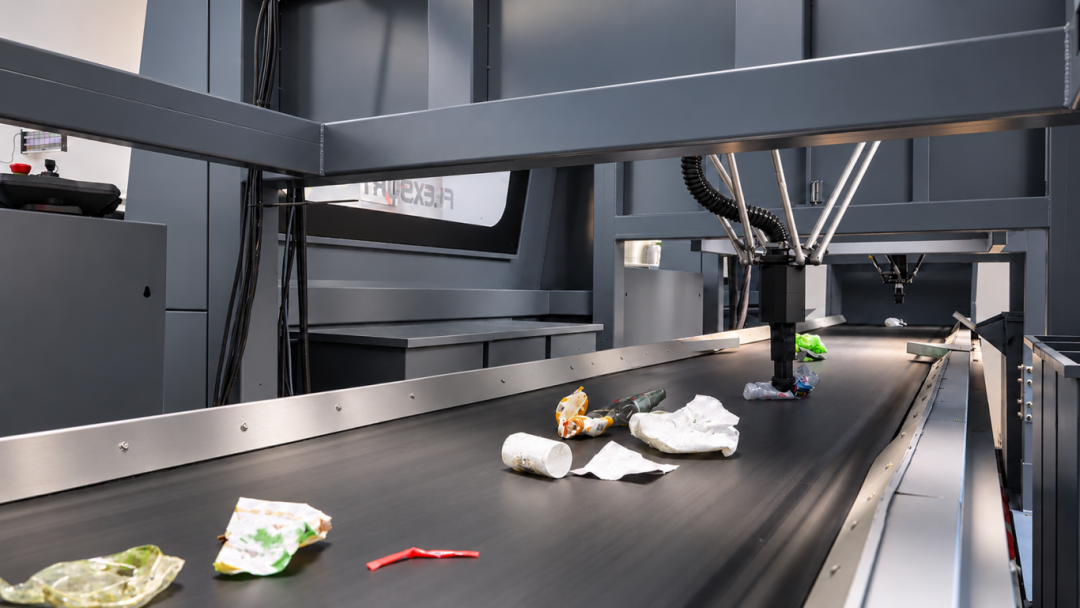
Qinglv Environment is also continuously developing AI optical sorting robots and robotic arm robots, integrating intelligent recognition technology into solid waste sorting lines and exploring its implementation in different materials and application scenarios.
From resource recovery and stock waste treatment to intelligent sorting, solid waste treatment companies need to address not just a single disposal stage, but comprehensive issues covering process design, equipment operation, resource recovery, and subsequent utilization.
Qinglv Environment will continue to rely on independent R&D, supported by system solutions and project operation practices, to continuously optimize intelligent solid waste sorting technology and explore more possibilities for stock resource utilization and project efficiency improvement.
 Prev
