





 Time:2026-01-21
 Source:
At present, urban renewal across China is entering an accelerated phase, with a large number of existing buildings undergoing renovation or demolition, which in turn continues to drive the prosperity of the renovation market. The treatment of construction and renovation waste has become a highly sought-after industry direction. According to relevant data, the annual generation of construction and renovation waste in China is growing at a double-digit rate, with recent single-year production exceeding 3 billion tons.
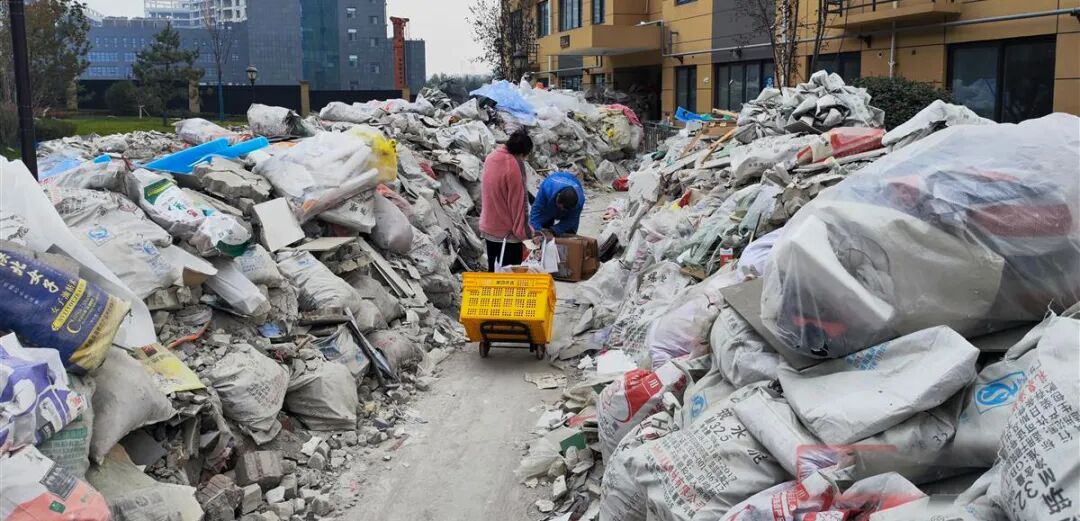
Against this market backdrop, numerous investors are recognizing opportunities and actively investing in construction and renovation waste treatment projects. However, a booming market does not guarantee project success. Before formally entering this field, investors must understand a crucial question: Where does a project’s core competitiveness truly lie?
Differentiating by Waste Type
Although construction and renovation waste may seem uniform, they actually fall into two distinct categories, each with vastly different treatment models, technological requirements, and market prospects. Choosing the right path can not only avoid the trap of low-end competition but also deliver higher investment returns for enterprises.
Demolition Waste: This type of waste originates from building demolition and consists mainly of simple components like concrete and bricks. The treatment process is relatively mature, typically involving crushing and screening equipment to produce recycled aggregates. Due to its simplicity, the market is crowded with participants, leading to intense competition and limited profit margins.

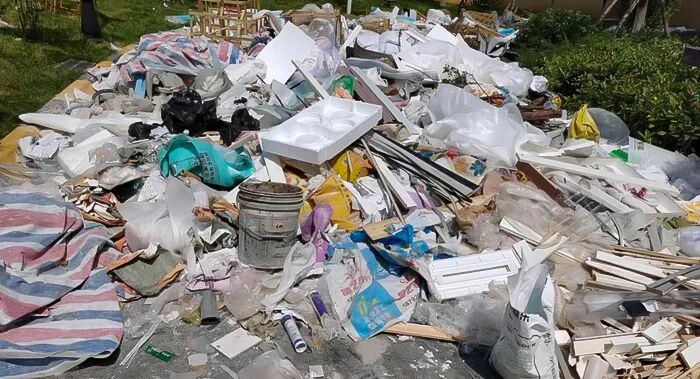
Renovation Waste: This waste comes from scattered renovation sites and contains a wide variety of materials, including plastics, wood, metals, fabrics, and more. Treating renovation waste is more challenging, requiring advanced sorting technology to accurately identify and separate different materials.
Investment Strategy: Choosing the Right Path
Selecting the appropriate type of waste treatment will directly impact a project’s financial returns. While the treatment of demolition waste has mature processes and low barriers to entry, the intense market competition constrains profit potential. In contrast, the treatment of renovation waste, despite its higher technological demands, offers greater profitability due to the high recovery value of its materials. An ideal investment strategy would include demolition waste treatment to ensure stable cash flow while actively expanding into renovation waste treatment to tap into higher profit potential.
Upgrading the Profit Model: From Disposal Fees to Resource Supply
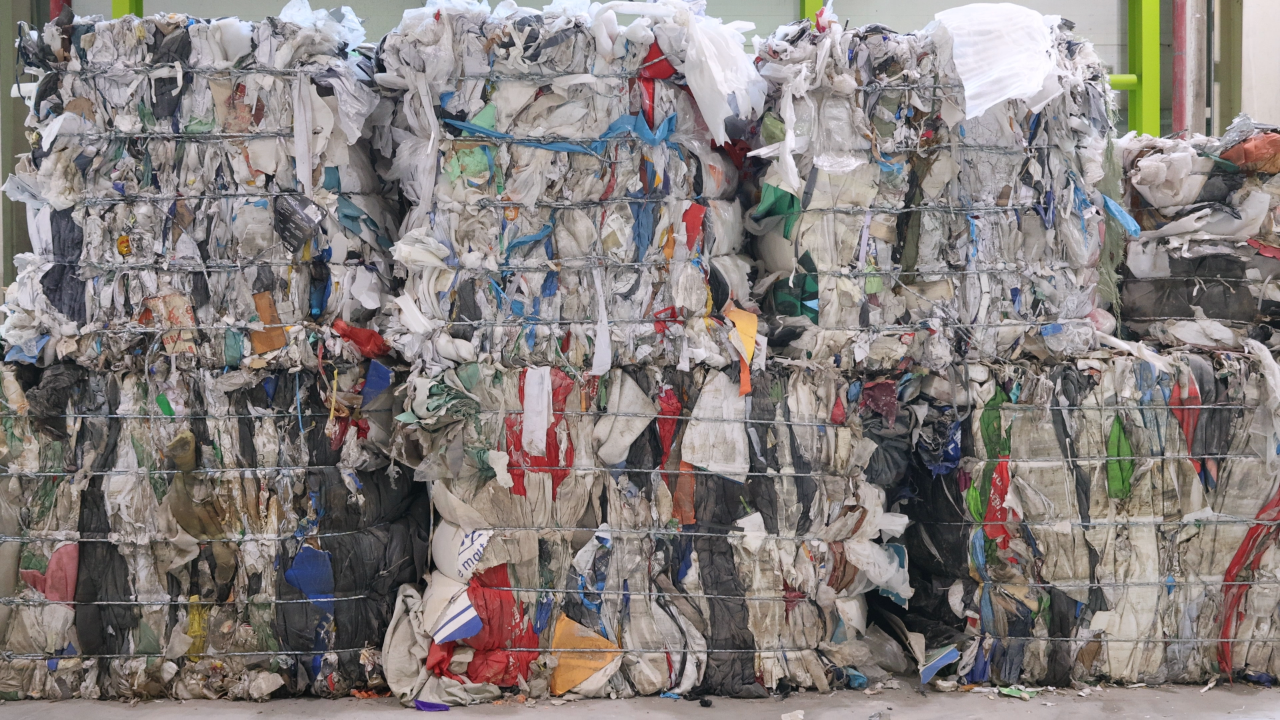
The profit models for construction and renovation waste treatment primarily fall into two categories: one relies solely on charging disposal fees, which yields relatively thin margins due to market saturation; the other involves transforming construction and renovation waste into marketable resource products, such as recycled aggregates, recovered metals, and lightweight combustibles.
By adopting high-precision sorting technology, enterprises can not only charge disposal fees but also generate higher profits by selling resource products. Additionally, this approach significantly mitigates the associated risks of illegal waste disposal through outsourced transportation.
Technological Advantage: Sorting Capability Determines Financial Returns
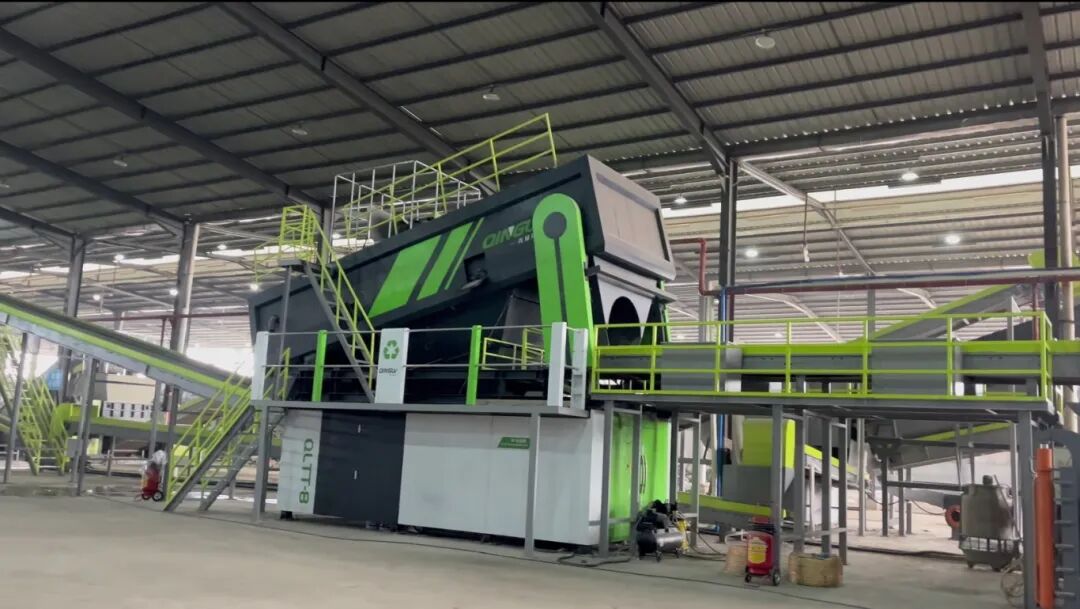
Under the resource supply profit model, sorting technology is key to the success of construction and renovation waste treatment projects. This is particularly true for renovation waste, whose complex material composition demands precise sorting technologies. For instance, high-purity recycled aggregates can command prices five to six times higher than their low-purity counterparts, while the price difference for sorted lightweight combustibles can reach up to ten times, depending on the levels of ash and impurities. Therefore, selecting partners with advanced sorting technologies and equipment is crucial to ensuring project success and maximizing returns.

Faced with a blue-ocean market of 3 billion tons, construction and renovation waste treatment is no longer merely about “waste disposal” but a profound process of “resource alchemy.” Amid the grand backdrop of urban renewal, the success of a project depends not only on scale but also on a deep understanding of the relationship between “purity” and “profitability.”
Investors must gain insight into the distinctions between demolition and renovation waste, focus on fine sorting technologies as the core strategy, and achieve a transformative shift from being “end-of-pipe disposers” to “high-quality resource suppliers.” Only then can they uncover the true value of “urban mining” at the intersection of environmental responsibility and economic efficiency.
 Prev
Prev