





 Time:2026-03-03
 Source:
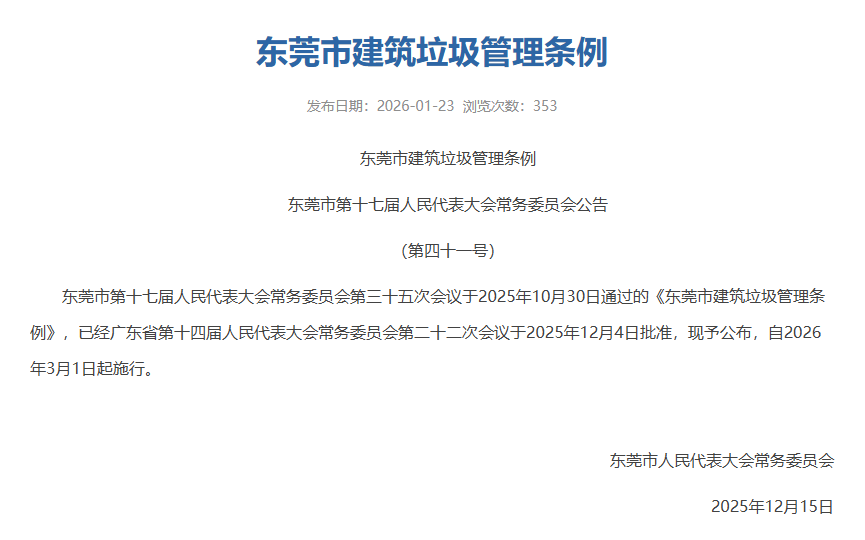
The "Dongguan City Construction Waste Management Regulations" have been officially released and will come into effect on March 1, 2026. Approved by the Standing Committee of the 14th Guangdong Provincial People's Congress, these regulations mark a new phase of institutionalized and systematic governance in the reduction, resource utilization, and harmless treatment of construction waste in Dongguan. They also send a clear and firm policy signal to the industry.
Strict Management: Full-Chain Supervision Reshapes the Industry
According to the regulations, construction waste includes engineering spoil, engineering slurry, engineering waste, demolition waste, and renovation waste. The framework establishes a comprehensive management system covering the entire process from generation, transportation, utilization, and disposal to supervision. On one hand, electronic manifest systems, information platform monitoring, and cross-regional law enforcement collaboration strengthen accountability at each stage. On the other hand, severe penalties—including fines up to the million-yuan level and even criminal liability—are set for illegal dumping, unauthorized transportation, and cross-regional transfer of waste. The significant increase in the cost of non-compliance means that the space for extensive treatment and low-standard operations is rapidly shrinking, accelerating the industry's shift toward standardization and specialization.
Policy Expansion: Social Capital Enters a "Blue Ocean" Market
More strategically, the regulations explicitly encourage social capital to invest in and operate construction waste disposal sites and comprehensive utilization facilities, integrating such infrastructure into national spatial planning. This policy legitimizes and marketizes private investment, offering reassurance to enterprises and industrial capital. Inclusion in spatial planning grants these facilities official status, addressing previous challenges in approval and land use, encouraging businesses to invest in fixed assets and making financial institutions more willing to provide loans.
Technology Breakthrough: Precision Sorting Lays the Foundation for Resource Utilization
The regulations also require that government-funded construction projects, where conditions permit, prioritize the use of recycled construction waste products—such as recycled aggregates, bricks, and building materials—meeting specified proportions. This guarantees stable and sustained market demand. Such demand-side institutional support drives supply-side improvements in product quality and consistency. The prerequisite for high-quality recycled products is a scientific, precise, and efficient sorting system.
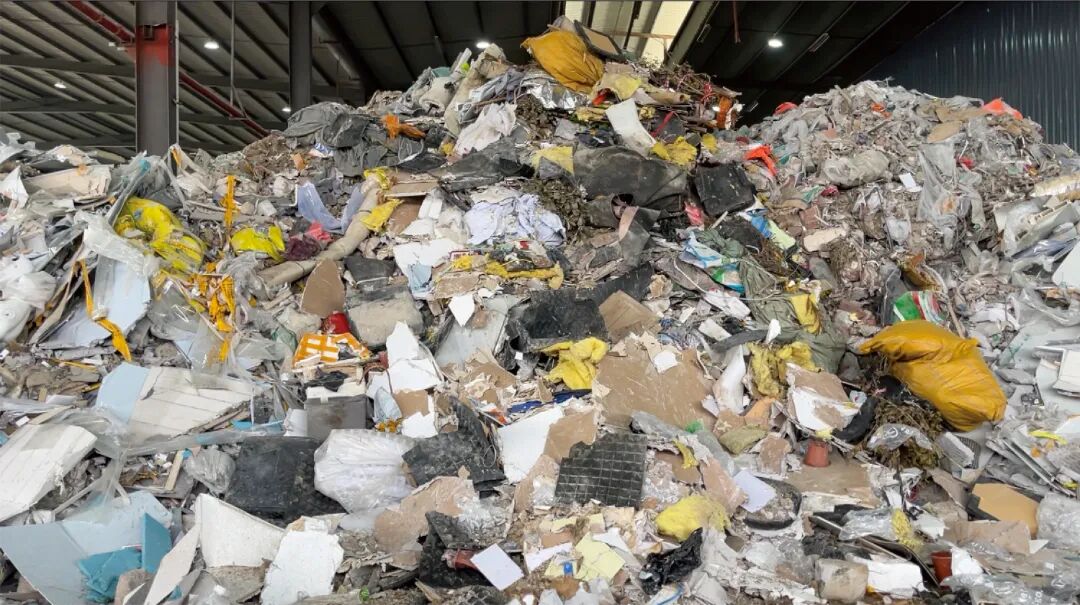
Examples of sorted construction waste fractions
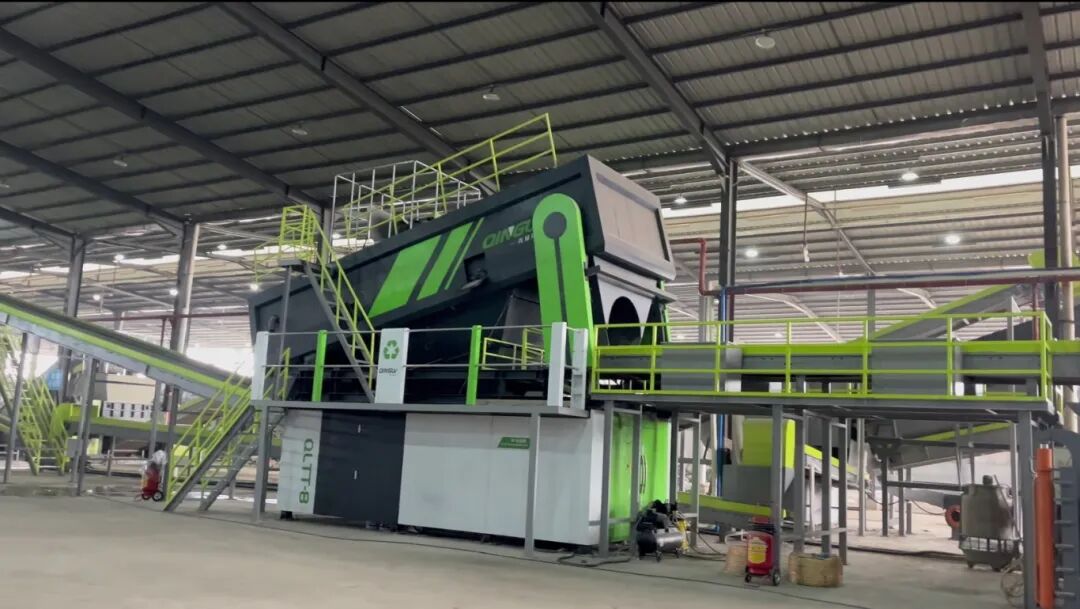
In the construction waste resource utilization chain, sorting is the core link for value reconstruction. Components like engineering spoil, concrete blocks, metals, wood, and lightweight impurities have complex compositions and distinct physical properties. Without precise separation, not only is the quality of recycled products affected, but downstream processing costs also increase. As regulations tighten and product standards rise, manual rough sorting alone can no longer meet market demands. Intelligent, modular, and scalable sorting solutions are becoming an industry necessity.
From "Governance Burden" to "Resource Treasure"
Looking ahead, driven by both regulatory constraints and market incentives, construction waste management is shifting from passive disposal to active resource development. Sorting capability will become a key technical indicator in project approval, investment evaluation, and operational management. For capital and enterprises aiming to enter the construction waste resource utilization sector, now is a critical window to seize technological advantages and build core competitiveness.
From policy implementation to industrial upgrading, the direction is clear. Construction waste is no longer a burden on cities but a vital part of renewable resources. Supported by technology, bound by standards, and aimed at resource recovery, sorting serves as the key bridge connecting policy benefits with market value—offering broad and promising prospects.
 Prev
Prev